Must-Have Ski Gear and Winter Apparel Trends for 2025
As winter approaches, the outdoor industry rolls out advanced technologies focused on sustainability, lightweight performance, and ultimate comfort. Here is your definitive guide to the top gear and apparel for 2025.

Key Takeaways
- Lightweight composite materials are reducing fatigue without sacrificing downhill stability.
- Sustainable manufacturing processes are becoming standard across major outerwear brands.
- Advanced goggle lens tech now offers enhanced contrast in flat-light storm conditions.
- Custom-moldable boot liners provide superior comfort and precision control on the slopes.
The winter sports landscape is undergoing a quiet revolution as manufacturers pivot toward equipment that balances aggressive performance with conscious manufacturing practices. For the 2025 season, outdoor enthusiasts will find a marketplace deeply influenced by material science advancements, resulting in gear that is simultaneously lighter, tougher, and more responsive than its predecessors. Whether you are carving groomers on an icy morning or exploring backcountry bowls after a heavy dump, the latest crop of hardware and soft goods is engineered to elevate your mountain experience while minimizing environmental impacts across the entire supply chain.
This shift comes at a time when winter weather patterns are increasingly unpredictable, demanding versatile equipment that can handle everything from spring-like slush to sub-zero alpine winds. Brands are responding by moving away from single-purpose gear in favor of modular systems that adapt seamlessly to changing conditions. Consumers are no longer forced to choose between weather protection and breathability, thanks to breakthroughs in membrane technology and eco-friendly water-repellent treatments. Understanding these developments is crucial for anyone looking to upgrade their kit and make smart investments for the upcoming winter season.
The Evolution of All-Mountain Ski Technology in 2025
Modern ski design has reached a fascinating intersection where lightweight touring agility meets the robust stability required for high-speed resort carving. For 2025, manufacturers are utilizing advanced carbon-stringer matrices and sustainably sourced wood cores to shave precious ounces off traditional builds. This reduction in swing weight allows skiers to initiate turns with remarkable ease, transforming leg fatigue during long days on the mountain. At the same time, careful tuning of flex patterns ensures that these lighter skis do not chatter when pushed across hard-packed snow or tracked-out crud.
Geometry trends are also shifting to favor versatility, with slightly wider waists and progressive rocker profiles dominating the catalog lines. These shapes provide incredible float when venturing into soft powder off-piste, while still maintaining the edge hold needed to carve clean arcs on groomed runs. When upgrading your winter setup for the upcoming season, checking a reliable intermediate all-mountain skis guide can save you both time and money. The goal for modern engineers is to build a true one-ski quiver that performs exceptionally well regardless of what Mother Nature serves up on any given Saturday morning.
Furthermore, topsheet construction and base materials have received notable durability upgrades to withstand the rigors of rocky terrain and aggressive riding styles. Thicker edges and reinforced mounting plates ensure that bindings stay secure even after heavy impacts, extending the lifespan of your investment. Brands are also integrating recycled polymers into sidewall construction, proving that ecological mindfulness does not have to come at the expense of on-snow performance. These comprehensive updates mean that contemporary ski hardware offers better value and longevity than ever before for dedicated winter enthusiasts.
Next-Generation Outerwear and Waterproof Membrane Innovations
Outerwear technology for the upcoming winter season focuses heavily on striking the elusive balance between total waterproof protection and active breathability. Traditional heavy shell jackets are giving way to advanced electro-spun membrane architectures that allow moisture vapor to escape at unprecedented rates during strenuous climbs or aggressive descents. These modern textiles prevent external moisture from penetrating while actively pulling sweat away from your base layers, keeping you dry and comfortable from first chair to last call.
Alongside breathable membranes, the outdoor apparel industry has made significant strides in eliminating harmful perfluorinated chemicals from durable water repellent finishes. Brands have transitioned entirely to non-toxic plant-based or alternative chemical treatments that bead water effectively without lingering indefinitely in natural ecosystems. This eco-conscious transition extends to the outer face fabrics, which increasingly incorporate recycled polyester and nylon derived from ocean plastics and post-consumer textile waste, offering rugged durability with a significantly smaller carbon footprint.
Practical design details also define the 2025 outerwear collection, with ergonomic cuts that accommodate dynamic body movements without riding up or binding. Thoughtfully placed pockets, helmet-compatible hoods, and integrated powder skirts are standard inclusions that enhance overall utility on the mountain. Ventilation zippers are positioned strategically to maximize airflow without letting snow infiltrate during unexpected tumbles. These refined features demonstrate a deep understanding of what skiers actually need when facing brutal alpine storms and fluctuating temperatures.
When upgrading your winter setup for the upcoming season, checking a reliable intermediate all-mountain skis guide can save you both time and money. Making informed hardware choices ensures your equipment matches your progressing skill level across diverse terrain.
Smart Layering Systems for Unpredictable Alpine Weather
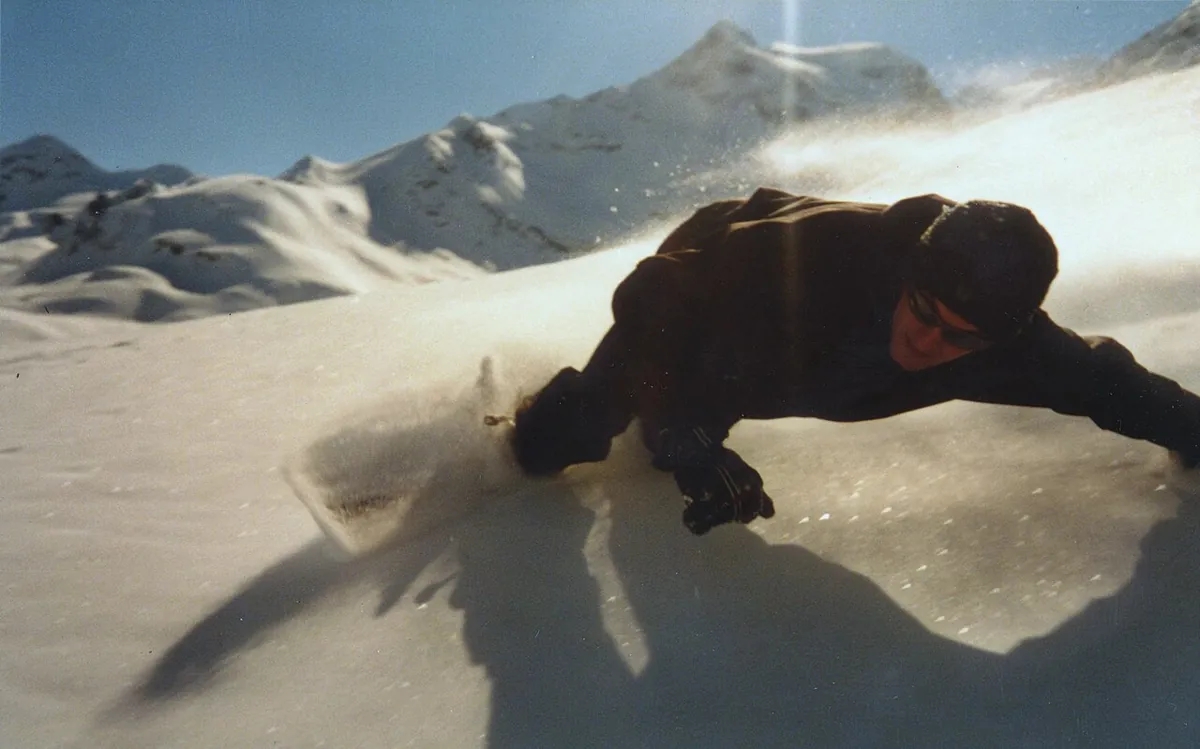
Building an effective cold-weather layering system remains the cornerstone of staying warm and safe during extended outdoor excursions. For 2025, base layers are leveraging body-mapping techniques that place moisture-wicking synthetic fibers in high-sweat zones and merino wool blends in areas prone to chilling. This hybrid approach capitalizes on the natural odor resistance and thermal regulation of wool alongside the durability and rapid drying times of synthetics, creating a comfortable second skin for rigorous mountain activities.
Mid-layers have similarly evolved, moving away from bulky fleeces toward ultra-lightweight active insulation pieces that trap heat while remaining remarkably breathable. Materials like Polartec Alpha and specialized synthetic fills allow trapped body heat to circulate while continuously shedding excess moisture before it can condense and freeze against your skin. These versatile garments pack down to the size of a grapefruit, making them easy to stow in a backpack when temperatures rise during spring skiing sessions.
The modular philosophy of modern layering encourages skiers to adapt dynamically to changing atmospheric conditions throughout the day. By combining a moisture-managing base, an active breathing mid-layer, and a protective outer shell, you can regulate your core temperature effortlessly whether you are huffing up a boot pack or riding a breezy chairlift. This adaptability is essential for avoiding hypothermia and overheating alike, ensuring you remain comfortable and focused on your skiing technique regardless of external weather shifts.
High-Performance Boots and Custom Fit Enhancements
Ski boot manufacturers are revolutionizing comfort and power transfer by integrating highly moldable plastics and anatomically refined shell shapes. The days of suffering through excruciating break-in periods are rapidly fading, thanks to advanced thermoforming technologies that allow boot fitters to customize shell widths and cuff angles precisely to individual foot geometries. This personalized approach eliminates pressure points while maintaining the snug, high-performance hold necessary to drive modern skis through challenging snow conditions with absolute confidence.
Liner technology has also taken a massive leap forward, incorporating dense memory foams and strategic reinforcement zones that lock the heel firmly in place. A secure heel pocket prevents foot fatigue and ensures that every subtle movement of your ankle translates immediately to edge engagement on your skis. Furthermore, many 2025 models feature integrated heating elements or moisture-management linings that keep toes warm and dry even during prolonged exposure to sub-zero temperatures at high elevations.
Walk-mode mechanisms on hybrid resort and touring boots have become significantly stiffer and more reliable, blurring the line between uphill efficiency and downhill performance. These upgraded mechanisms lock down securely with minimal play, providing the rigid lateral support demanded by aggressive skiers while offering an expansive range of motion for effortless skinning. Investing in a properly fitted boot remains the single most impactful upgrade any skier can make to enhance both their comfort and their overall technical capability.
For more expert reviews and seasonal gear roundups, explore our dedicated outdoor equipment archive on BMEStalk: A Century of Green: Iconic Houseplant Trends Through the Decades.
Essential Helmets, Goggles, and Visibility Technology
Safety and visibility are paramount in winter sports, and 2025 gear releases bring major advancements in head protection and optical clarity. Modern ski helmets increasingly feature multi-directional impact protection systems integrated seamlessly into lightweight, low-profile shells that never feel bulky or restrictive. These advanced retention systems and adjustable ventilation ports ensure that your head stays protected and comfortable, encouraging consistent helmet use among skiers of all age groups and skill levels.
Goggle technology continues to advance rapidly, with magnetic lens-interchange systems allowing skiers to swap tints in seconds to match shifting light conditions. Cylindrical and toric lenses are engineered with advanced contrast-enhancing filters that bring definition to flat-light environments, helping you spot moguls, ice patches, and uneven terrain well in advance. Anti-fog coatings have also become considerably more robust, utilizing permanent chemical etching rather than delicate sprays that degrade over time with repeated wiping.
Integration between helmets and goggles has never been tighter, with brim designs that eliminate the dreaded goggle gap and prevent warm air from rising up and fogging lenses. Many premium helmets now come with built-in visor options or adjustable mounts that accommodate prescription eyewear comfortably underneath. These cohesive safety and visibility packages ensure that your vision remains crystal clear and your head stays secure, no matter how fast you are moving down the mountain.
Sustainable Manufacturing and Eco-Friendly Gear Choices
The broader outdoor industry is facing increasing pressure to clean up its manufacturing supply chains, and the 2025 ski season reflects a genuine commitment to sustainability. Brands are investing heavily in renewable energy sources for their factories, utilizing solar and wind power to produce hardware and soft goods with a fraction of the historical carbon output. Consumers are increasingly demanding transparency, prompting companies to publish detailed environmental impact reports for their product lineups.
Closed-loop recycling programs are also gaining traction, allowing skiers to return old jackets, pants, and even worn-out skis to manufacturers for proper repurposing. These initiatives keep massive amounts of synthetic material out of landfills and reduce the demand for virgin petroleum-based raw materials. By choosing brands that prioritize circular economy principles, skiers can actively participate in reducing the environmental footprint of their favorite winter pastimes while supporting responsible corporate stewardship.
Ultimately, purchasing durable, high-quality gear that lasts for multiple seasons remains the most effective form of sustainable consumerism. Buying less often and investing in repairable equipment ensures that your carbon footprint stays low while keeping unnecessary waste out of the global waste stream. As manufacturers continue to innovate with bio-based resins, recycled metals, and eco-friendly textiles, making environmentally conscious choices on the slopes has never been easier or more effective for preserving our cherished winter playgrounds.