2026 NWCA All-Star Classic: Henson Upsets Van Ness
The 2026 NWCA All-Star Classic delivered unforgettable drama on the mat, highlighted by Caleb Henson's stunning upset over Shayne Van Ness and stellar performances from powerhouse programs.
Key Takeaways
- Caleb Henson secured a monumental upset victory against Shayne Van Ness in the main event.
- Penn State maintained its formidable reputation with four standout individual victories.
- Emerging world champions like Bassett, Duke, and Seidel continued their dominant momentum.
- Last-minute roster adjustments proved that adaptability is crucial at the highest level of competition.
The collegiate wrestling landscape shifted dramatically during a breathtaking weekend of elite competition as the annual showcase brought together the nation's most formidable athletes. Fans packed the arena to witness a collision of titans, where established champions faced relentless challengers eager to rewrite the season's narrative. From the opening whistle to the final tactical exchange, the event underscored the sheer athleticism, mental toughness, and strategic depth that define modern folkstyle wrestling. As supporters and analysts dissected every matchup, it became clear that this year's edition would leave a lasting imprint on the collegiate sports calendar.
At the heart of the excitement was a main event confrontation that captured the absolute attention of the entire wrestling community. Pitting premier talent against proven royalty, the marquee bout encapsulated the high stakes and unpredictable nature of elite athletic competition. Beyond the individual glory, the evening served as a vital barometer for team momentum, national rankings, and championship aspirations as programs enter the crucial middle stretch of their competitive schedules. Observers witnessed tactical evolutions and conditioning masterclasses that will undoubtedly influence coaching strategies nationwide for months to come.
The Stage is Set: Inside the 2026 NWCA All-Star Classic
The anticipation surrounding this year's gathering of elite collegiate grapplers reached fever pitch long before the first competitor stepped onto the center mat. Organizers curated a card featuring the absolute best talent from across divisions, creating dream matchups that fans usually only debate on internet forums and sports talk shows. The electric atmosphere inside the venue reflected the booming popularity of collegiate wrestling, which continues to attract larger audiences, expanded media coverage, and heightened corporate engagement. This premier showcase has successfully transformed from a traditional exhibition into a must-watch cultural event for sports enthusiasts.
Preparation for a high-profile showcase of this magnitude demands extraordinary physical and mental discipline from every participating athlete. Competitors must peak precisely at the right moment, balancing intense weight-management protocols with rigorous technical drilling and tactical video study. Coaches spend countless hours formulating game plans designed to exploit the smallest vulnerabilities in their opponents while safeguarding their own tactical tendencies. This level of meticulous preparation was evident in the crisp execution and high-paced scrambles that defined the evening, proving that modern wrestling is as much a chess match as it is a test of raw power.
Furthermore, the broader sports community recognized the significance of hosting such a talent-dense card outside the traditional conference tournament framework. By bringing together top-tier programs and independent powerhouses under one roof, the showcase highlighted the unifying power of elite competition. Athletic directors, scouts, and collegiate sports leaders utilized the gathering to network, evaluate emerging talent trends, and discuss the future trajectory of the sport. The resounding success of the evening reinforced the notion that collegiate wrestling offers some of the most compelling and dramatic athletic theater available today.
Caleb Henson’s Tactical Masterclass and the Main Event Shockwave
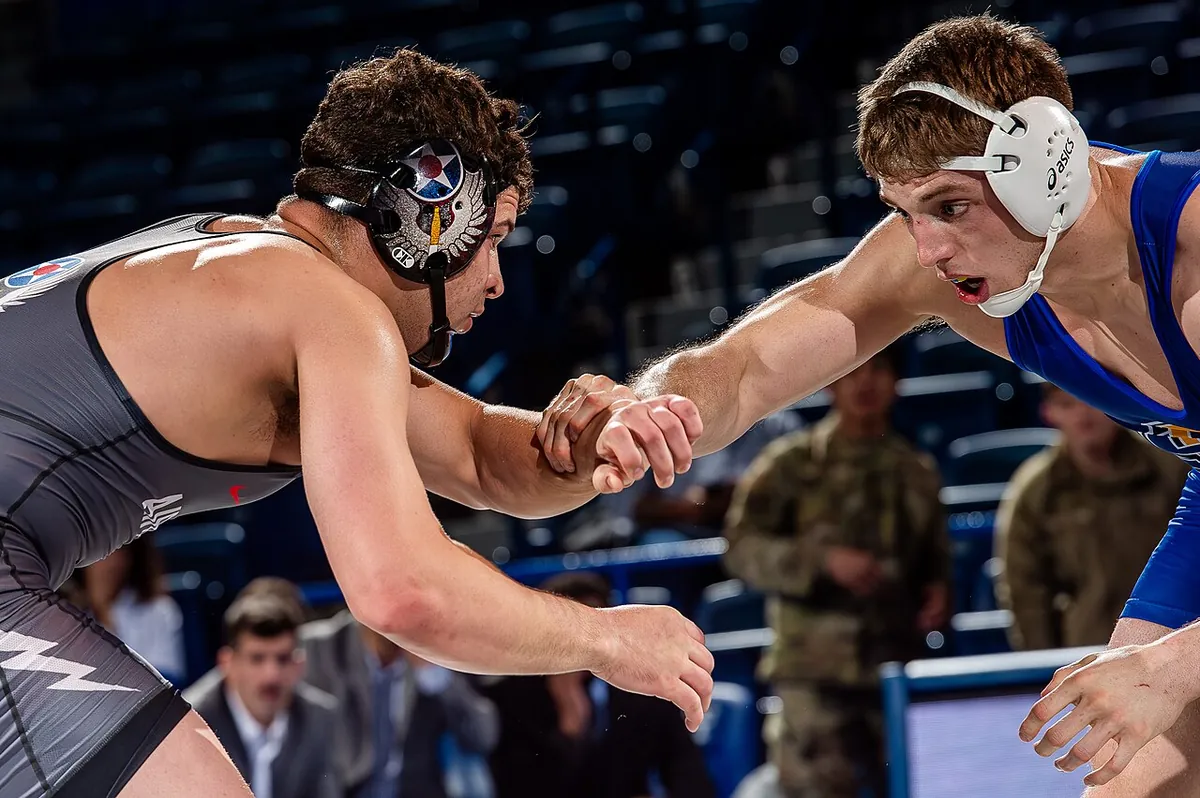
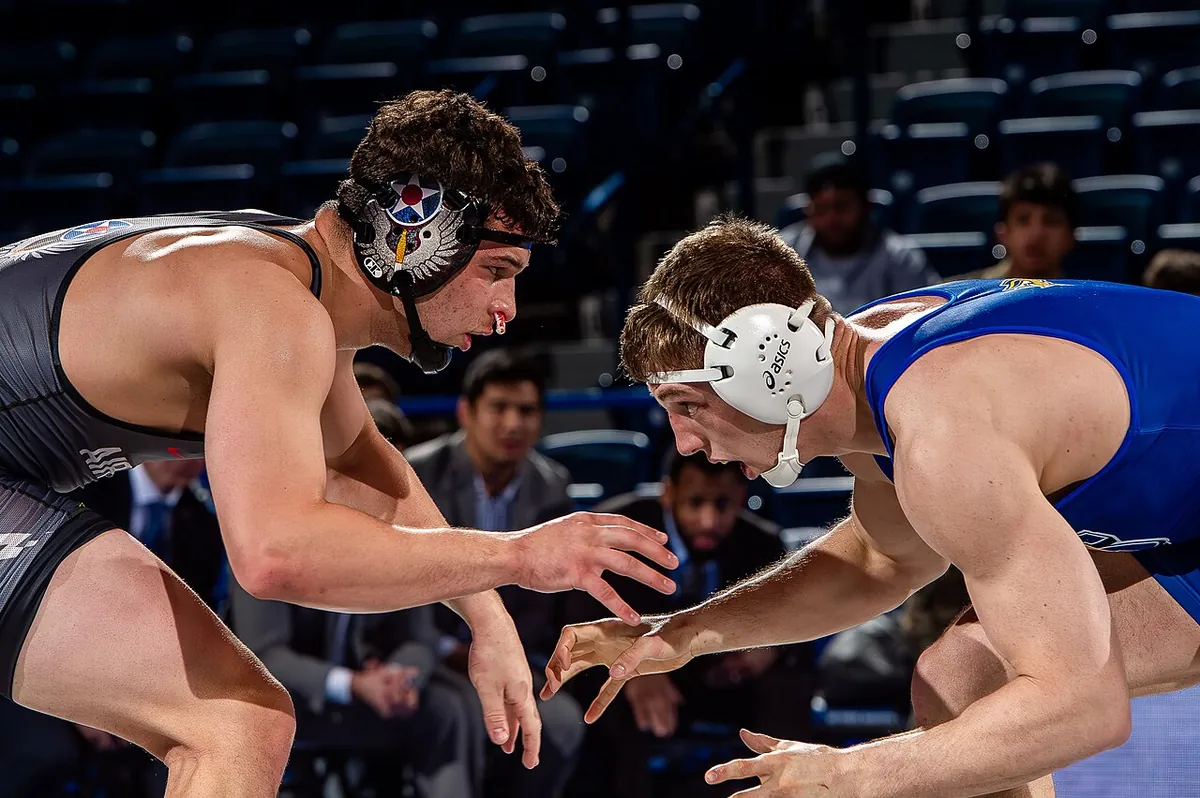
The main event clash between Caleb Henson and Shayne Van Ness generated an immense amount of pre-match buzz, and the reality inside the arena completely exceeded expectations. Both athletes entered the bout carrying stellar reputations, aggressive wrestling styles, and an unyielding desire to establish absolute dominance in their weight class. From the initial neutral position, the pacing was frantic, with both competitors probing for opening angles and testing each other's defensive boundaries. The tension among spectators was palpable, as everyone realized that a single mistake could alter the outcome of the historic showdown.
As the bout progressed into the middle periods, Henson executed a series of brilliant tactical adjustments that ultimately turned the tide in his favor. Recognizing Van Ness's formidable strength in upper-body ties, Henson utilized swift level changes and superior conditioning to dictate the tempo of the scrambles. His ability to convert half-shots into deep leg attacks kept his opponent constantly on the defensive, neutralizing much of Van Ness's usual offensive fireworks. This strategic shift showcased Henson's elite wrestling IQ, proving that he possesses the tactical maturity required to defeat the nation's absolute best.
The stunning upset sent shockwaves through the collegiate wrestling community, completely reshaping national championship projections and individual award conversations. Analysts immediately began reassessing power rankings, acknowledging that Henson's triumph represents a pivotal turning point in the competitive hierarchy of the season. For Van Ness, the defeat serves as a powerful motivating catalyst rather than a permanent setback, setting the stage for a potential high-stakes rematch later in the year. Ultimately, this unforgettable main event will be remembered as a defining moment of athletic resilience and strategic brilliance.
Penn State’s Continued Dominance: Four Nittany Lions Stand Tall
True to their storied reputation as the powerhouse of contemporary collegiate wrestling, the Nittany Lions delivered another masterclass in team excellence by securing four crucial victories. Each athlete representing the program demonstrated the relentless conditioning, flawless technique, and unshakeable poise that have become synonymous with their coaching staff's philosophy. Supporters who traveled to witness the showcase were treated to a clinic in scoring from various positions, whether working from the top, bottom, or neutral zones. This impressive collective showing further solidified the program's status as the gold standard in modern folkstyle wrestling.
The psychological advantage that comes with wearing the Penn State singlet was evident in how each wrestler handled crucial moments of adversity during their respective bouts. When opponents mounted aggressive counter-attacks or secured early leads, the Nittany Lions remained remarkably calm, trusting their deep conditioning and extensive technical reservoir to wear down their adversaries. By the third period of these intense matchups, their opponents frequently exhibited signs of fatigue, allowing the Penn State contingent to pull away with decisive bonus-point victories and hard-fought decisions.
Beyond individual glory, these four standout wins injected massive momentum into the program's broader campaign for another national team title. Coaches and senior leaders understand that performances against elite competition serve as valuable diagnostic tools, highlighting areas for refinement before conference tournaments commence. The ability to excel under the bright lights of a marquee national showcase reinforces the culture of excellence cultivated within the wrestling room. As the season progresses, opponents will undoubtedly study these matches closely, searching for any blueprint to neutralize the formidable Nittany Lion onslaught.
Emerging Champions: World-Style Talents Make Their Mark
The bright lights of the showcase also provided an ideal platform for established world champions and rising international stars to display their exceptional skill sets. Competitors like Bassett, Duke, and Seidel demonstrated why they are considered among the most dangerous and versatile grapplers in the entire sport. Seamlessly blending folkstyle scoring with dynamic international wrestling techniques, these athletes kept opponents off-balance with explosive attacks and unorthodox scoring sequences. Their performances captured the imagination of casual fans and hardcore purists alike, bridging the gap between domestic collegiate styles and global wrestling excellence.
The integration of world-class developmental philosophies into collegiate programs has clearly elevated the overall technical ceiling of the sport in recent years. Athletes who gain experience on the international circuit return to their college campuses with enhanced tactical awareness, superior hand-fighting abilities, and a heightened capacity for scoring from chaotic scrambles. This trend was on full display throughout the evening, as these standout champions utilized creative chain wrestling to dismantle formidable domestic opponents. The seamless transition between styles highlights the evolving nature of elite athletic training regimens.
Observers noted that the success of these world-class competitors will likely inspire a new generation of youth and high school wrestlers to embrace multi-style training approaches. By demonstrating that mastery of international techniques translates directly into folkstyle dominance, these athletes are shaping the future tactical direction of the sport. Program directors and recruiters are taking careful note, prioritizing athletes who exhibit the versatility and adaptability required to thrive across different wrestling formats. Consequently, the competitive landscape is becoming increasingly dynamic and unpredictable.
Explore our ongoing coverage of collegiate sports trends and athlete training regimens in our dedicated sports and lifestyle section: The Michigan AD Debacle: Why Trev Alberts Won’t Take Over.
Roster Changes and Late-Hour Adaptations on the Mat
Navigating the unpredictable nature of elite athletics requires immense organizational flexibility, a reality underscored by several high-profile roster adjustments leading up to the opening whistle. When injuries, health protocols, or strategic resting decisions necessitate last-minute substitutions—such as Max Vanadia stepping in to replace Braxton Amos against Connor Mirasola—the entire competitive dynamic can shift instantly. Coaches and athletes must display remarkable mental agility to prepare for opponents whose styles may differ significantly from their original game plan. This ability to adapt on the fly is a hallmark of truly elite programs.
For replacement competitors thrust into the spotlight of a national showcase, the moment represents an extraordinary opportunity to prove their worth on a grand stage. Stepping up against top-tier competition with minimal preparation requires immense self-belief and tactical discipline, qualities that define resilient collegiate athletes. In the case of the Vanadia-Mirasola bout, the late change injected an added layer of intrigue for fans and analysts trying to decode how the new matchup would unfold tactically. Such instances prove that depth is just as important as star power for programs aiming for sustained success.
The smooth execution of these last-minute alterations also highlights the professionalism of event organizers, sports medicine staff, and media coordinators working behind the scenes. Ensuring that weight classes remain competitive and safety standards are rigorously maintained during high-stakes adjustments requires meticulous logistical planning. The positive reception from fans and coaches alike demonstrates that the wrestling community values competitive integrity above all else, ensuring that the showcase remains a premier event regardless of unexpected roster evolution.
The Broader Impact on Collegiate Wrestling Culture and Lifestyle
Beyond the immediate results and athletic achievements, events like the annual showcase play a vital role in shaping the modern lifestyle and cultural footprint of collegiate wrestling. The sport has experienced a remarkable renaissance in digital media engagement, ticket sales, and mainstream visibility, appealing to a demographic that values grit, authenticity, and high-performance discipline. Fans increasingly view elite wrestlers not just as seasonal athletes, year-round role models who embody dedication, nutrition optimization, and mental resilience. This cultural shift has transformed wrestling into a thriving lifestyle brand.
The lifestyle surrounding elite wrestling emphasizes holistic well-being, demanding rigorous attention to dietary science, sports psychology, recovery protocols, and injury prevention strategies. As collegiate programs invest more resources into sports science and performance analytics, athletes are reaping the benefits of cutting-edge training methodologies that extend their competitive longevity. Audiences tuning into national broadcasts gain valuable insights into these performance philosophies, fostering a deeper appreciation for the complex science behind athletic success. This transparency elevates the fan experience and bridges the gap between competitors and supporters.
Ultimately, the resounding success of this year's gathering reinforces the vibrant health and exciting future of collegiate wrestling within the American sports ecosystem. By consistently delivering high-drama entertainment, strategic brilliance, and unforgettable individual moments, the sport continues to capture the hearts of new and veteran fans alike. As programs unpack the lessons learned from this showcase and look ahead to conference championships, the collective energy of the community remains higher than ever. The mat has been set for an unforgettable remainder of the season.