Grading Glenn Schumann to Florida State: A New Era
Florida State University's bold hire of Georgia defensive coordinator Glenn Schumann signals a massive cultural reset. Here is how experts grade the high-profile coaching transition.

Key Takeaways
- Schumann moves from Georgia to helm the Florida State Seminoles program.
- The coaching philosophy prioritizes a relentless defensive mentality over rigid schemes.
- An immediate priority involves securing current verbal commitments ahead of signing day.
- Georgia faces crucial decisions regarding internal candidates for their vacant coordinator role.
When Florida State University announced the hiring of Georgia defensive coordinator Glenn Schumann as its next head coach, the college football landscape shifted dramatically. The move represents a calculated gamble by athletic leadership to inject elite SEC-level discipline and modern tactical acumen into a storied program looking to find its footing. Schumann enters Tallahassee with an impeccable pedigree forged under Kirby Smart, carrying championship rings and a reputation for relentless preparation. As fans and analysts dissect the grading of this high-profile transition, optimism is cautiously mingling with high expectations across the board.
Beyond the immediate buzz, this coaching transition highlights a broader trend in modern collegiate athletics where programs prioritize defensive infrastructure and cultural stability over flashy offensive schemes. FSU supporters are hungry for order after a tumultuous period, making Schumann's no-nonsense approach an ideal fit for a locker room in desperate need of alignment. By emphasizing core football values and adaptability, the first-year head coach aims to stabilize recruiting pipelines and retain vital verbal commitments before the early signing period closes. The stakes are immense, and the early returns will set the tone for years.
Evaluating the Coaching Pedigree
When assessing the overall grade for Glenn Schumann's transition to Florida State, evaluators immediately point to his extensive championship background at the University of Georgia. Serving under Kirby Smart, Schumann was instrumental in building some of the most dominant defensive units in recent college football history. His ability to recruit elite talent, develop raw prospects into NFL draft picks, and manage complex defensive schemes earned him widespread respect across the collegiate and professional ranks alike. This pedigree provides an instant layer of credibility that few first-time head coaches possess when taking over a major brand.
Transitioning from a coordinator role to a top leadership position is never seamless, yet Schumann's preparation appears uniquely tailored for the challenge. Observers note that his meticulous approach to game planning and player evaluation translates directly into the CEO-style duties required of a modern head coach. Rather than relying solely on charismatic recruiting pitches, he brings a systematic blueprint focused on accountability, operational efficiency, and relentless effort. Analysts grading the hire give high marks for choosing a proven winner who understands the intricate machinery necessary to sustain a championship-caliber program over the long haul.
Furthermore, the decision by FSU leadership reflects a desire to move away from volatile trends and invest in sustainable infrastructure. College football programs frequently chase offensive innovators, but championship programs are historically anchored by suffocating defense and physical toughness. By bringing in a defensive mastermind who has walked the halls of multiple national title runs, Florida State is betting that foundational discipline will cure many of the operational ills that plagued recent seasons. The early consensus among recruiting experts and coaching historians is that this appointment carries a remarkably high ceiling for success.
Securing the Recruiting Foundation
One of the most pressing challenges facing any new coaching staff is managing the existing roster and protecting valuable verbal commitments. For Glenn Schumann, the immediate aftermath of his hiring required swift, decisive communication with high school prospects who had previously pledged their futures to the Seminoles program. Tomahawk Nation and other prominent fan communities have closely monitored how the new staff interacts with these key pledges, recognizing that stability on the recruiting trail is vital for maintaining future momentum in the fiercely competitive Atlantic Coast Conference.
Schumann and his rapidly assembled staff wasted little time reaching out to defensive and offensive commits, emphasizing that the program's core values remain steadfast despite the leadership change. Recruiting analysts have praised the transparency and directness shown by the new head coach during these crucial initial conversations. By assuring families that development and personal growth remain central tenets of the FSU culture, the coaching staff has managed to stave off aggressive poachers from rival institutions looking to capitalize on the period of transitional uncertainty.
Maintaining these relationships is not merely about preserving numbers on a spreadsheet; it is about establishing immediate trust within the broader high school football ecosystem. Successful programs in Florida depend heavily on local and regional pipelines, meaning that Schumann's ability to connect with high school coaches across the state will dictate his long-term viability. Early indicators suggest that his authentic, football-first demeanor resonates well with prospects who are tired of flashy sales pitches and prefer genuine mentorship rooted in hard work and proven developmental pathways.
The Shift to Mentality-Driven Defense
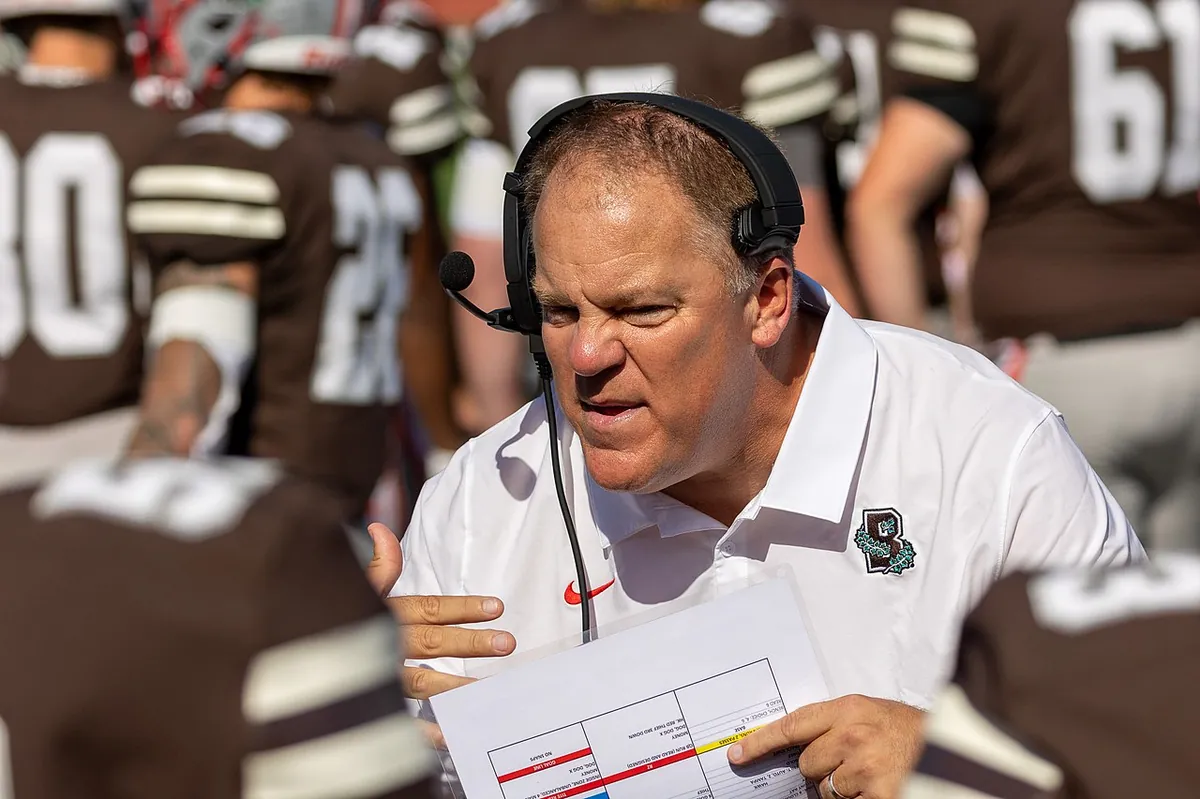
A defining narrative of Glenn Schumann's introductory phase has been his clear stance on defensive philosophy. As noted in recent reports by 247Sports, when addressing a key defensive commit regarding scheme terminology, Schumann bluntly stated that he does not play a specific scheme, but rather plays defense built entirely around mentality. This philosophy marks a refreshing departure from overly complicated playbooks that can sometimes paralyze young athletes with indecision on game days, favoring instead an aggressive, fast-flowing style of play.
This mentality-first approach prioritizes relentless pursuit, fundamental tackling, and situational awareness over rigid adherence to complex defensive alignments. Players are taught to understand the core principles of leverage and gap integrity so they can react instinctively rather than pausing to process excessive pre-snap reads. For a Florida State defense that has occasionally struggled with consistency and physical toughness, instilling this brand of disciplined aggression could yield immediate improvements on the field when the autumn kickoff arrives.
Sports analysts reviewing this tactical shift suggest it will also make the Seminoles much more adaptable against diverse modern offensive attacks. Whether facing a high-powered spread offense or a bruising, run-heavy scheme, a defense rooted in fundamental toughness and clear communication is inherently more resilient. Schumann's track record indicates that his units rarely beat themselves, a trait that will undoubtedly delight FSU fans who endured preventable defensive breakdowns in recent high-profile matchups.
Navigating the Georgia Staff Ripple Effect
The departure of a coordinator of Schumann's caliber naturally triggers a significant ripple effect across the collegiate landscape, most notably at the University of Georgia. DawgNation and other sports outlets have thoroughly analyzed the internal candidates poised to step into the vacant defensive coordinator role in Athens. Kirby Smart's ability to seamlessly reload his coaching staff has become legendary, yet replacing a trusted lieutenant who helped orchestrate multiple championship defenses remains a complex administrative puzzle for the Bulldogs.
Inside candidates stepping up within the Georgia program face the formidable task of maintaining an elite standard while putting their own unique stamp on the defensive unit. This transition highlights the broader ecosystem of college football, where success breeds opportunity and top-tier assistants are constantly targeted for promotion elsewhere. For Florida State, securing a coach who understands the inner workings of the gold standard in college football is an enormous victory, even if it forces their former employer to recalibrate its internal coaching hierarchy.
The interconnected nature of elite coaching trees means that Schumann will also be building his own staff by drawing from trusted colleagues across the country. Observers are watching closely to see which position coaches and analysts make the move to Tallahassee, as assembling a cohesive and energetic assistant staff is just as important as the head coach's personal pedigree. A well-rounded staff ensures that recruiting efforts, player development, and game-day strategy are efficiently distributed across all units of the football program.
For more in-depth analysis on collegiate sports management and leadership trends, explore our latest features covering major athletic program transformations: RJ Luis Jr. Lawsuit Threatens SEC and Greg Sankey in LSU Battle.
Cultural Reset and Locker Room Order
Beyond Xs and Os, the primary mandate for Glenn Schumann at Florida State is restoring order and accountability within a locker room that has experienced notable turbulence. Culture problems can quickly undermine even the most talented rosters, making a strong leadership presence an absolute prerequisite for sustainable success. Schumann's reputation as a disciplined, detail-oriented professional positions him well to establish firm boundaries, high standards, and a unified team-first ethos among players and staff alike.
A successful cultural reset requires buy-in from veteran leaders who can model the desired behaviors for younger players entering the program. Early reports from winter workouts and team meetings indicate that the new coaching staff has placed a heavy emphasis on punctuality, academic diligence, and mutual respect. By treating every minor detail with utmost seriousness, the program is deliberately shedding complacency and replacing it with a championship mindset that demands excellence in every facet of student-athlete life.
Fans and alumni eager for a return to national prominence understand that cultural foundations must be poured before any championship superstructure can be erected. The optimism surrounding Schumann's tenure is deeply rooted in the belief that he will not tolerate shortcuts or undisciplined play. As this culture takes root, the entire ecosystem of Florida State football stands to benefit from a renewed sense of purpose, professional rigor, and collective accountability.
Long-Term Outlook for the Seminoles
Looking beyond the immediate excitement of the coaching hire, the long-term outlook for Florida State under Glenn Schumann hinges on patience, strategic roster construction, and sustained recruiting excellence. Rebuilding a major collegiate program into a perennial contender is rarely a linear process, and stakeholders must be prepared for developmental growing pains during the initial transition seasons. However, the foundational pieces being put into place provide a sturdy platform for future growth and competitive stability within the conference.
As the modern college football landscape continues to evolve through NIL integration, the transfer portal, and conference realignment, elite leadership is more critical than ever. Schumann's analytical background and experience within a hyper-competitive SEC environment equip him to navigate these complex contemporary challenges effectively. By focusing on sustainable roster building and holistic player development, FSU is positioning itself to remain competitive regardless of external regulatory changes or market shifts in collegiate athletics.
Ultimately, the grading of this high-stakes hire will be written on autumn Saturdays over the coming years, but the preliminary outlook is overwhelmingly positive. By prioritizing culture, defensive resilience, and rigorous preparation, Florida State has made a definitive statement about its competitive ambitions. If Schumann can successfully translate his championship blueprint to Tallahassee, the Seminoles will not only restore order within their own program but once again loom large as a terrifying force on the national college football stage.