GTA 6 Fans Spot North Florida Landmarks Amid Miami Marketing Blitz
As Rockstar Games ramps up anticipation for Grand Theft Auto 6, sharp-eyed fans are uncovering surprising regional details while real-world tourism feels the Vice City effect.
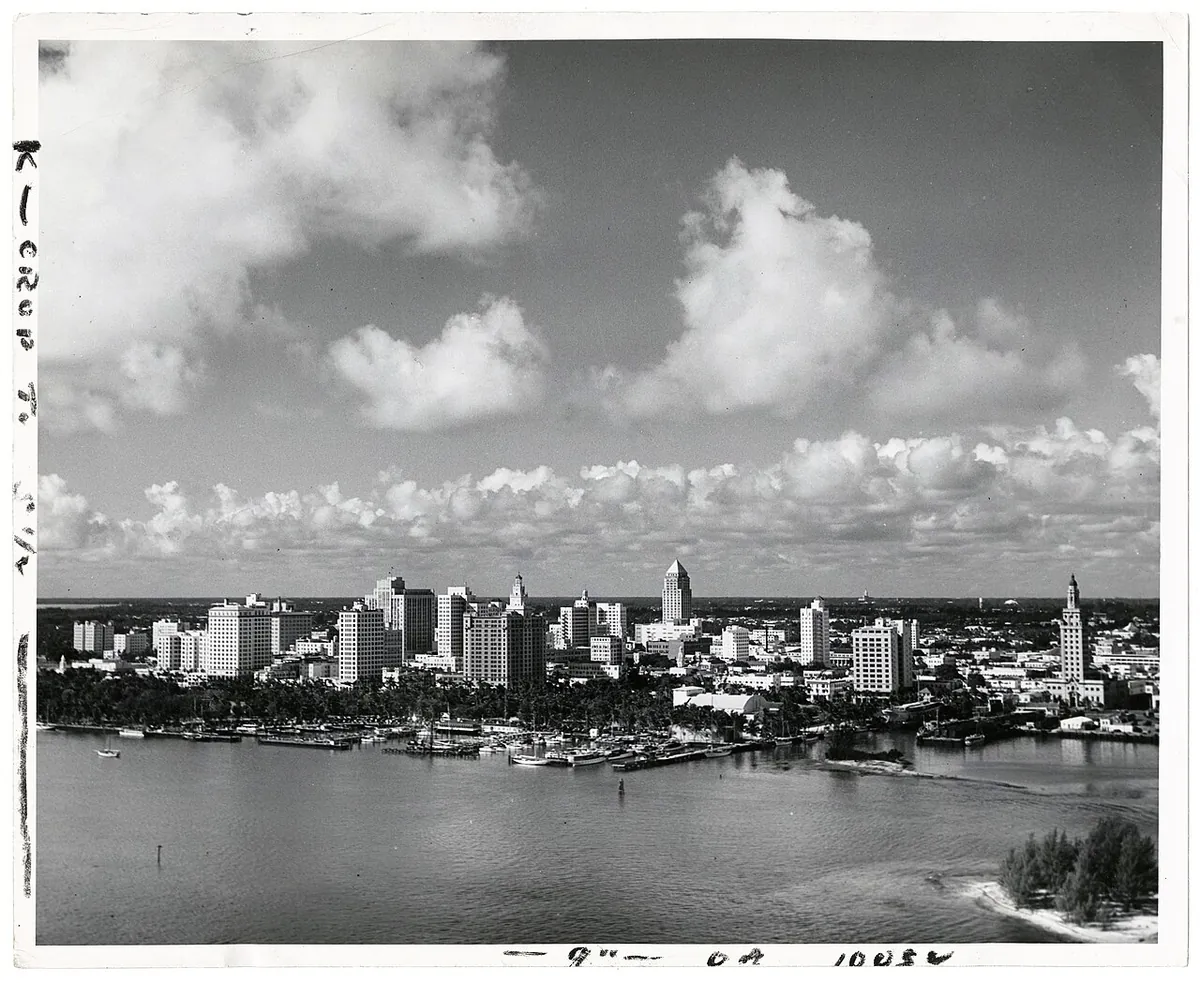
Key Takeaways
- Fans have identified subtle architectural and geographical nods to north Florida alongside the primary Miami-inspired setting.
- Travel searches to Miami have spiked noticeably as enthusiasts plan trips inspired by the game's virtual depiction.
- Rockstar Games has engaged cultural institutions and local sports teams, including the Miami Heat, with exclusive promotional packages.
- The hyper-detailed design work highlights the studio's commitment to satirical yet authentic renditions of American culture.
The relentless cultural juggernaut that is Grand Theft Auto 6 continues to captivate entertainment enthusiasts long before its official release date. Recently, dedicated players combing through promotional trailers and teaser imagery made a fascinating discovery that stretched far beyond the sun-drenched beaches of South Florida. Sharp-eyed fans spotted unmistakable architectural and geographical landmarks originating from north Florida, signaling that Rockstar Games might be expanding the scope of its fictional state map. This unexpected regional crossover has sent shockwaves through online gaming communities, sparking rigorous debates about the true boundaries of the game's massive open world.
This geographic revelation coincides with a broader cultural moment where the boundary between virtual simulation and real-world tourism is increasingly blurred. From surging flight bookings heading straight into Miami International Airport to high-profile marketing activations featuring local professional sports franchises, the anticipation for Vice City’s return has transformed everyday commerce. As analysts and everyday players dissect every pixel released by the developer, the conversation has evolved from simple video game hype into a massive sociological examination of how modern entertainment shapes our perception of American geography, local identity, and contemporary urban spaces.
Expanding the Map: North Florida Meets Vice City
When Rockstar Games first revealed that its next blockbuster would return to a modernized version of Vice City, most industry observers naturally assumed the virtual sandbox would focus exclusively on the vibrant, neon-lit corridors of South Florida. However, recent deep-dives by dedicated sleuths into promotional assets have revealed subtle yet distinct nods to north Florida landscapes. From characteristic rural architecture to distinct foliage and highway signage reminiscent of the state's panhandle, the scope of the game appears surprisingly expansive, blending metropolitan glamour with distinctly regional subcultures.
This inclusion of north Florida elements demonstrates an extraordinary level of geographic nuance that has long defined the franchise's satirical worldview. Rather than presenting a monolithic caricature of the Sunshine State, the development team appears to be capturing the stark contrasts that define Florida life. The juxtaposition between fast-paced coastal urban centers and the slower, distinct character of northern counties provides fertile ground for the series' trademark brand of biting social commentary, dark humor, and unpredictable open-world chaos.
For longtime fans familiar with the older iterations of the franchise, finding these diverse regional touchstones transforms basic exploration into a rewarding scavenger hunt. It suggests that players will experience a multifaceted environment where driving across the digital state map offers genuine shifts in climate, architecture, and cultural atmosphere. This granular attention to detail elevates the entire gaming experience, encouraging players to look past the main narrative missions and appreciate the rich, meticulously constructed ecosystem built by the development studio.
The Real-World Tourism Boom and the Vice City Effect
The cultural footprint of Grand Theft Auto 6 is already making significant waves within the travel and hospitality sectors, long before anyone has held a controller to play the final release. Travel industry reports indicate that online searches for flights and accommodations heading toward Miami have experienced notable surges as fans seek to experience the real-world inspiration behind Vice City. Tourism boards are quietly acknowledging the phenomenon, realizing that millions of potential visitors are drawing direct inspiration from virtual trailers and digital renderings of South Florida.
This dynamic mirrors previous entertainment-driven tourism spikes, but the sheer scale of the Grand Theft Auto brand elevates this trend into unprecedented territory. Visitors are actively seeking out specific intersections, Art Deco facades, and coastal strips that closely mirror the promotional footage released by Rockstar Games. Local businesses, hotels, and tour operators are leaning into the excitement, creating specialized itineraries that highlight iconic Miami locations likely to feature prominently in the upcoming virtual crime epic.
Economists and lifestyle analysts point out that this intersection of gaming culture and physical travel highlights a fundamental shift in how destinations market themselves to younger demographics. Instead of relying solely on traditional advertising campaigns, cities are increasingly defined by how they are represented in interactive digital media. As Miami prepares to welcome an influx of virtual tourism enthusiasts, the city finds its modern identity inextricably linked to the satirical, neon-soaked vision crafted by developers behind computer screens miles away.
High-Profile Partnerships and Local Cultural Integration
Beyond the digital realm, Rockstar Games has executed a masterclass in localized marketing by embedding the spirit of the game directly into the fabric of Miami's elite cultural and athletic scenes. Recently, star players from the Miami Heat professional basketball team received elaborate, custom-themed care packages celebrating the fictional universe of the upcoming title. These carefully curated distributions generated massive organic social media traction, effectively bridging the gap between mainstream celebrity culture and the gaming community with effortless style.
Simultaneously, the game's aesthetic influence has rippled through high-end art circles, drawing comparisons to prestigious cultural gatherings like Art Miami. Observers and art critics have begun examining whether the vibrant, satirical visual design of the game constitutes a legitimate form of contemporary urban art. By mimicking and exaggerating the architectural extravagance and excess of South Florida, the game serves as a provocative mirror reflecting the genuine artistic and cultural tensions pulsing through modern Miami society.
These strategic activations underscore how far the gaming industry has evolved from its niche origins into a dominant pillar of mainstream pop culture. By engaging directly with local sports heroes and aligning themselves with prestigious cultural events, the developers ensure that the anticipation surrounding the title remains an unavoidable topic of conversation. This multi-layered marketing approach guarantees that the cultural footprint of the release extends far beyond dedicated gaming forums and into everyday lifestyle discussions.
Architecture, Satire, and the Visual Identity of Florida
Capturing the distinct architectural personality of Florida requires a delicate balance between genuine appreciation and sharp satirical observation. The Sunshine State possesses a uniquely surreal visual vocabulary defined by pastel-colored Art Deco hotels, sprawling suburban developments, endless strip malls, and sprawling highway interchanges under harsh tropical suns. Early glimpses of the game reveal an uncanny ability to replicate these structural elements while injecting them with the exaggerated social commentary that fans have come to expect from the iconic franchise.
The inclusion of architectural elements spanning from the opulent coastal mansions of South Florida to the rustic charm of northern regions showcases the depth of the studio's environmental design. Every building, billboard, and street corner is packed with layers of visual jokes and authentic cultural easter eggs that reward observant players. This meticulous world-building transforms the digital landscape from a simple backdrop into a living, breathing caricature of contemporary American life, capturing the absurdities and contradictions of the region with remarkable precision.
Design critics have noted that this commitment to authentic yet satirical world-building elevates open-world video games into a distinct category of modern environmental art. Players are not merely navigating a map; they are exploring a carefully curated digital museum of modern Americana. As fans continue to decode architectural layouts and compare them to real-world coordinates, they validate the immense artistic effort required to translate a complex, multifaceted state like Florida into an interactive digital playground.
For more insights into how cutting-edge entertainment intersects with contemporary lifestyle trends, explore our latest coverage on gaming culture: Why GTA 6 Might Never Catch GTA 5's Record Run.
The Fan Detective Culture Driving Online Discovery
The modern era of video game marketing relies heavily on the collective detective work of passionate online communities who dissect every frame of promotional material with forensic precision. When the first trailers and teaser images for Grand Theft Auto 6 dropped, dedicated forums and social media channels transformed into virtual war rooms. Users utilized geolocation tools, satellite maps, and architectural databases to verify whether specific digital street corners matched real-world locations, leading directly to the recent breakthrough discoveries regarding north Florida landmarks.
This participatory culture transforms passive consumers into active investigators, keeping the conversation alive and vibrant during long stretches between official updates from the developer. Every pixel, shadow angle, and background sign is subjected to intense community scrutiny, creating a grassroots hype machine that traditional advertising budgets simply cannot buy. The thrill of being the first to spot a hidden geographical reference or a subtle regional easter egg drives engagement to astronomical heights across multiple digital platforms.
While this hyper-analytical fandom can occasionally veer into excessive speculation, it ultimately demonstrates the profound emotional investment players have in the franchise's universe. The developers appear to actively encourage this detective mindset, intentionally hiding regional details and obscure clues to reward their most dedicated followers. This symbiotic relationship between creator and consumer turns the pre-release phase into a communal puzzle-solving event that unites millions of players worldwide in shared anticipation.
What This Cultural Phenomenon Means for Open-World Gaming
The massive cultural impact surrounding the development and marketing of Grand Theft Auto 6 establishes a towering benchmark for the entire interactive entertainment industry. By seamlessly blending real-world geography with satirical world-building, the franchise continues to redefine the boundaries of what open-world video games can achieve. Competitors and independent studios alike are watching closely, realizing that modern gamers demand unprecedented levels of environmental fidelity, narrative depth, and cultural relevance in their digital experiences.
Furthermore, the phenomenon illustrates how major entertainment properties can influence real-world economic sectors, from regional tourism to high-end fashion and sports partnerships. As digital spaces become increasingly influential in shaping cultural trends, the line separating virtual reality from physical commerce continues to dissolve. Entertainment properties no longer just reflect popular culture; they actively dictate consumer behavior, travel patterns, and lifestyle choices on a global scale.
Ultimately, the excitement generated by regional discoveries and high-profile promotional rollouts proves that the appetite for meticulously crafted virtual worlds has never been stronger. As anticipation builds toward the final release, players around the globe remain united by their shared curiosity and eagerness to explore every hidden corner of this digital landscape. The journey toward Vice City has already become a historic cultural event, permanently altering how society interacts with and perceives the intersection of gaming and real-world geography.