Navigating Salmonella Risks in the Modern Food and Lifestyle Era
As supply chains modernize and lifestyle trends evolve, understanding the intersection of food technology, home habits, and microbial safety has never been more critical.
Key Takeaways
- Salmonella transmission vectors have expanded far beyond traditional poultry to include produce, spices, and processed snacks.
- Advanced rapid molecular testing and artificial intelligence are revolutionizing how food safety experts detect and track outbreaks.
- Urban homesteading, raw pet food diets, and backyard farming require heightened residential hygiene protocols.
- Blockchain-enabled traceability is transforming supply chain accountability and accelerating retail recall responses.
Food safety remains a critical pillar of daily public health, yet microscopic threats like salmonella continue to challenge our modern lifestyle choices. From farm-to-table dining trends to complex global supply chains, the pathways through which foodborne pathogens travel have become increasingly intricate. Consumers today demand fresh, minimally processed ingredients, but these preferences inadvertently introduce unique vulnerability windows for bacterial contamination. Understanding how salmonella operates within contemporary food ecosystems is essential for anyone seeking to balance culinary adventurousness with rigorous personal health safeguards.
Recent shifts in consumer habits—ranging from backyard chicken keeping to a surge in raw pet food diets—have brought household exposure vectors to the forefront of public health discussions. Regulatory agencies and food scientists are racing to deploy advanced genomic sequencing and artificial intelligence to trace outbreaks faster than ever before. However, technology alone cannot eliminate risk at the individual level. Bridging the gap between macro-level food safety innovations and micro-level kitchen habits requires an informed public capable of recognizing subtle contamination vectors before they manifest as widespread illness.
The Evolving Landscape of Salmonella Contamination
Salmonella bacteria have long plagued agricultural producers, but the vectors of transmission have expanded dramatically alongside modern industrial agriculture. Traditional outbreaks were frequently linked to poultry or eggs, yet contemporary epidemiological data reveals a much broader spectrum of carrier foods. Produce, spices, flour, and even processed snacks have emerged as unexpected vehicles for bacterial transport, baffling casual observers who assume dry or plant-based items are inherently safe. This shift stems from large-scale farming consolidation, where a single contaminated water source or processing facility can distribute millions of compromised units across multiple states before detection occurs.
Furthermore, climate change and shifting environmental patterns are influencing the survival rates of pathogens in agricultural soil and irrigation water. Warmer temperatures and extreme weather events can accelerate bacterial proliferation in fields, making pre-harvest contamination a persistent challenge for organic and conventional growers alike. As agriculture adapts to these mounting ecological pressures, the agricultural sector must continually upgrade its sanitation protocols. Farmers and agronomists are exploring novel biological controls and soil management techniques to suppress bacterial colonization, recognizing that traditional pesticide and washing methods are no longer sufficient guarantees of safety.
The globalization of our food supply further complicates this landscape, introducing multi-country trade routes where accountability can easily become obscured. An ingredient harvested in one hemisphere might be processed in another and packaged in a third, creating a logistical labyrinth that delays trace-back investigations during an outbreak. This interconnectedness means a localized hygiene failure thousands of miles away can rapidly materialize as a supermarket recall in local neighborhoods. Consequently, public health authorities rely on international data-sharing networks to map genetic fingerprints of bacteria, trying to outpace a distribution web that moves at the speed of modern global commerce.
How Modern Supply Chains Shape Food Safety
Modern supply chains are marvels of logistical efficiency, designed to move perishable goods from remote farms to urban grocery shelves in record time. Yet, this very velocity can work against food safety protocols by reducing the dwell time available for thorough microbial testing. When distribution networks prioritize speed to minimize food waste and maintain freshness, batches of food may clear checkpoints before laboratory cultures confirm their safety. Cold chain integrity also plays a pivotal role; temperature fluctuations during transit can create micro-environments where dormant salmonella cells awaken and multiply exponentially inside packaging containers before reaching retail distribution centers.
Consolidation within the meat, poultry, and produce processing sectors has also created systemic points of vulnerability. When processing plants handle tens of thousands of animals or massive volumes of harvested greens daily, cross-contamination risks amplify exponentially. A single compromised lot entering a high-speed processing line can contaminate subsequent batches through shared machinery, wash tanks, and packaging equipment. While automated sanitization cycles run frequently, the sheer volume of throughput leaves very little margin for error. Industry engineers are constantly redesigning equipment architecture to minimize hard-to-clean crevices where bacteria might form resilient biofilms.
Traceability solutions are slowly reshaping how supply chains manage these inherent risks, moving from paper-based logs to cryptographic ledgers and blockchain tracking. These digital frameworks allow retailers and health officials to trace a contaminated item back to its exact farm of origin in mere seconds rather than weeks. However, the adoption rate varies wildly between large multinational conglomerates and smaller regional producers who may lack the capital infrastructure to implement advanced digital auditing tools. Bridging this technological divide is vital for ensuring that every link in the food chain maintains the same high standard of accountability and rapid crisis response capability.
The Intersection of Tech and Pathogen Detection

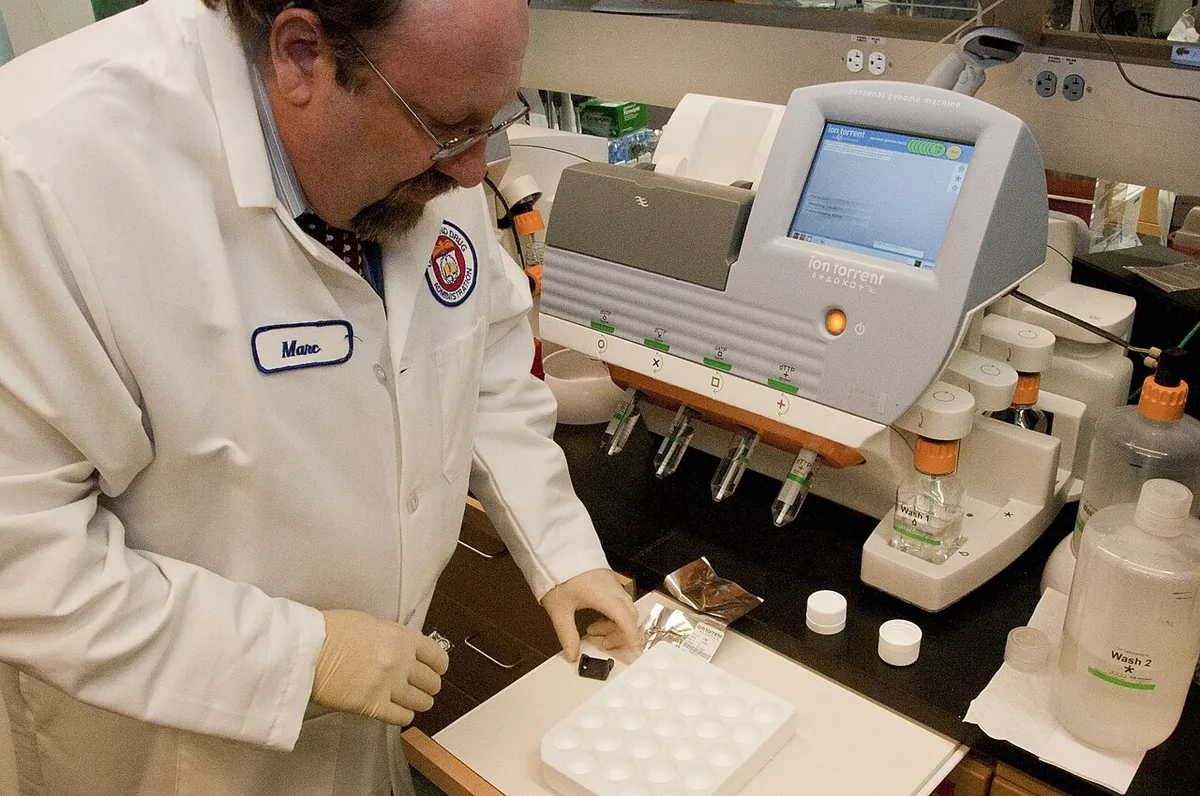
Technological innovation is fundamentally transforming how food scientists and public health officials detect, isolate, and neutralize salmonella strains before they reach consumers. Traditional culturing methods, which often required days or even weeks of laboratory incubation to confirm bacterial presence, are being rapidly supplanted by rapid molecular testing platforms. Techniques such as polymerase chain reaction assays and whole-genome sequencing allow technicians to identify specific genetic markers of salmonella within hours. This unprecedented speed enables food manufacturers to quarantine suspect lots proactively, preventing contaminated goods from ever entering the commercial transportation pipeline or retail shelves.
Artificial intelligence and machine learning are also carving out a transformative niche in predictive food safety analytics. Data scientists feed vast historical datasets—including weather patterns, shipping routes, seasonal agricultural yields, and historical contamination hotspots—into machine learning models designed to forecast outbreaks. These predictive algorithms can flag high-risk supply chain nodes or agricultural regions weeks in advance, empowering regulators and quality assurance teams to deploy targeted inspections where they are needed most. By shifting from reactive containment to proactive risk anticipation, the food industry is entering a sophisticated era of preventative management.
On the consumer-facing side, smart kitchen appliances and innovative packaging materials are beginning to bridge the awareness gap inside residential homes. Researchers are developing intelligent packaging indicators that change color when exposed to specific volatile organic compounds released by spoiling food or multiplying pathogens. While these smart indicators are still largely in the pilot testing and commercial scaling phases, they promise to give everyday cooks a reliable visual cue regarding food safety. Paired with smartphone apps that cross-reference barcode data with active recall databases, technology is steadily empowering individuals to take charge of their immediate dietary security.
Lifestyle Shifts and Home Kitchen Protocols
Contemporary lifestyle trends have significantly altered how we interact with food in our domestic spaces, occasionally introducing unintended safety hazards. The surging popularity of urban farming, backyard poultry coops, and hobbyist homesteading has brought live animals into closer proximity with residential living areas. While raising backyard chickens offers rewarding engagement with food sources, it also increases direct household exposure to zoonotic pathogens like salmonella. Handling birds, cleaning coops, and even allowing pets indoors without stringent hand hygiene creates numerous transmission pathways that many enthusiastic beginners inadvertently overlook.
Concurrently, culinary trends favoring raw pet food diets and undercooked artisanal preparations have gained substantial cultural traction. Proponents champion these choices for their perceived nutritional benefits, but veterinary and public health experts repeatedly warn about the elevated microbial risks involved. Handling raw meat blends for household pets without dedicated utensils, sanitizing stations, or careful storage can easily spread salmonella across kitchen countertops, cutting boards, and family dining spaces. Educating consumers on the strict containment protocols required for raw feeding is essential to protect vulnerable household members, including young children and immunocompromised adults.
Within the standard home kitchen, traditional cross-contamination risks remain a persistent challenge despite decades of public health messaging. Busy schedules and hurried meal-prep routines often lead to shortcuts, such as using the same cutting board for raw poultry and fresh salad greens without proper intermediate sanitization. Adopting rigorous kitchen hygiene habits—such as color-coded cutting boards, digital meat thermometers, and frequent surface disinfection—remains the most effective line of defense. Lifestyle choices do not have to compromise safety, provided that modern home cooks respect the microscopic resilience of foodborne bacteria and maintain consistent precautionary habits.
Explore our recent investigative feature on emerging smart kitchen appliances designed to protect your household from everyday culinary contaminants: A Century of Houseplants Through the Better Homes & Gardens Archives.
Regulatory Oversight and Public Health Tracking
Public health agencies such as the Centers for Disease Control and Prevention and the Food and Drug Administration operate as the primary architects of national food safety enforcement. Their surveillance networks continuously monitor clinical isolates submitted by hospital laboratories nationwide, looking for clusters of salmonellosis that might indicate a widespread outbreak. When a cluster emerges, epidemiologists conduct exhaustive case interviews to identify common dietary exposures among affected individuals. This meticulous detective work often spans multiple states and weeks of data collection before a definitive food vehicle can be named and targeted for regulatory intervention.
Regulatory frameworks, however, often face bureaucratic and legislative hurdles that can delay rapid enforcement actions across state lines. Rulemaking processes for mandatory testing standards or facility inspections can take years to finalize, leaving regulatory bodies to navigate a patchwork of state-level guidelines and industry lobbying pressures. Furthermore, budget constraints and staffing shortages within inspection agencies can limit the frequency of routine plant audits, forcing officials to prioritize high-risk facilities over smaller, regional processing operations. Streamlining regulatory oversight remains a central debate among policy experts aiming to create a more agile and responsive public health safety net.
International trade agreements further complicate regulatory enforcement, as imported food products must meet domestic safety standards without creating insurmountable trade barriers. Food safety inspectors stationed at ports of entry sample a fraction of incoming shipments, relying heavily on foreign audit certifications and importer verification programs. When foreign suppliers fail to meet U.S. microbial standards, import alerts and detention orders are issued, yet contaminated products can occasionally slip through the net before detection. Enhancing international regulatory harmonization and data sharing is crucial for maintaining consumer trust in an increasingly globalized food marketplace.
Consumer Awareness and Preventive Strategies
Empowering consumers with accurate, science-based knowledge is ultimately the most effective weapon against foodborne illness in daily life. Public education campaigns have evolved beyond generic slogans, moving toward targeted digital outreach that explains the mechanics of bacterial growth and cross-contamination. By understanding why certain foods carry higher risks and how temperature control inhibits bacterial multiplication, everyday shoppers can make informed decisions at the grocery store. Literacy in food safety transforms passive consumers into active participants in public health defense, reducing the overall incidence of preventable infections.
Practical shopping and storage habits play a foundational role in mitigating salmonella risks before food ever enters the kitchen prep stage. Simple practices—such as placing raw meat and poultry in disposable plastic bags to prevent juices from leaking onto produce in the shopping cart—prevent accidental contamination during transit. Upon returning home, immediate refrigeration at proper temperatures and organizing the refrigerator to prevent raw juices from dripping onto ready-to-eat items are critical steps. These seemingly minor routines create robust safety barriers that protect household members from inadvertent exposure during the storage lifecycle of fresh groceries.
Finally, maintaining vigilance when dining out or ordering takeout is an extension of modern consumer awareness that deserves equal attention. Patrons should feel comfortable inquiring about food handling practices, ensuring that dishes featuring eggs, poultry, or sprouts are cooked and stored properly. While restaurant kitchens are bound by strict health codes, consumer mindfulness adds an extra layer of personal accountability to the dining experience. By blending awareness, modern kitchen technology, and consistent hygiene practices, individuals can successfully navigate the complexities of food safety in a rapidly changing world.