Ukraine’s Libyan Drone Raid Signals a Global Tech Shift
When a Ukrainian drone strike hit Russian naval assets off the coast of North Africa, it proved that modern asymmetric warfare has no geographic boundaries.
Key Takeaways
- Ukraine's recent drone strike against Russian vessels in Libya marks a dramatic geographical expansion of the ongoing war.
- The incident highlights the democratization of advanced remote military technology, allowing smaller forces to project power globally.
- Local Libyan authorities and military factions have threatened sharp retaliation, complicating international diplomacy and regional stability.
- Consumers and global observers must recognize how localized tech-driven military tactics can quickly trigger widespread geopolitical repercussions.
The modern battlefield is no longer confined by traditional borders, trenches, or even continental shelves. When a specialized Ukrainian drone operation successfully struck Russian naval assets off the distant coast of Libya, it sent shockwaves through international defense circles. This wasn't merely a tactical victory in a localized skirmish; it was a watershed moment illustrating how advanced asymmetric warfare and remote robotics can project lethal power thousands of miles away from primary front lines. Analysts are now scrambling to reassess how modern military technology rewrites global security paradigms.
For readers tracking global affairs, this dramatic escalation signifies a troubling new normal where regional conflicts easily spill over into international arenas. The fallout from the Libyan raid immediately drew sharp rebukes and threats of retaliation from local military forces, compounding tensions in North Africa. As digital connectivity, satellite intelligence, and autonomous systems converge, the ripple effects touch everything from international maritime commerce to diplomatic alliances. Understanding this evolving landscape requires looking closely at the intersection of innovative technology and shifting geopolitical power dynamics.
The Anatomy of a Long-Range Drone Strike
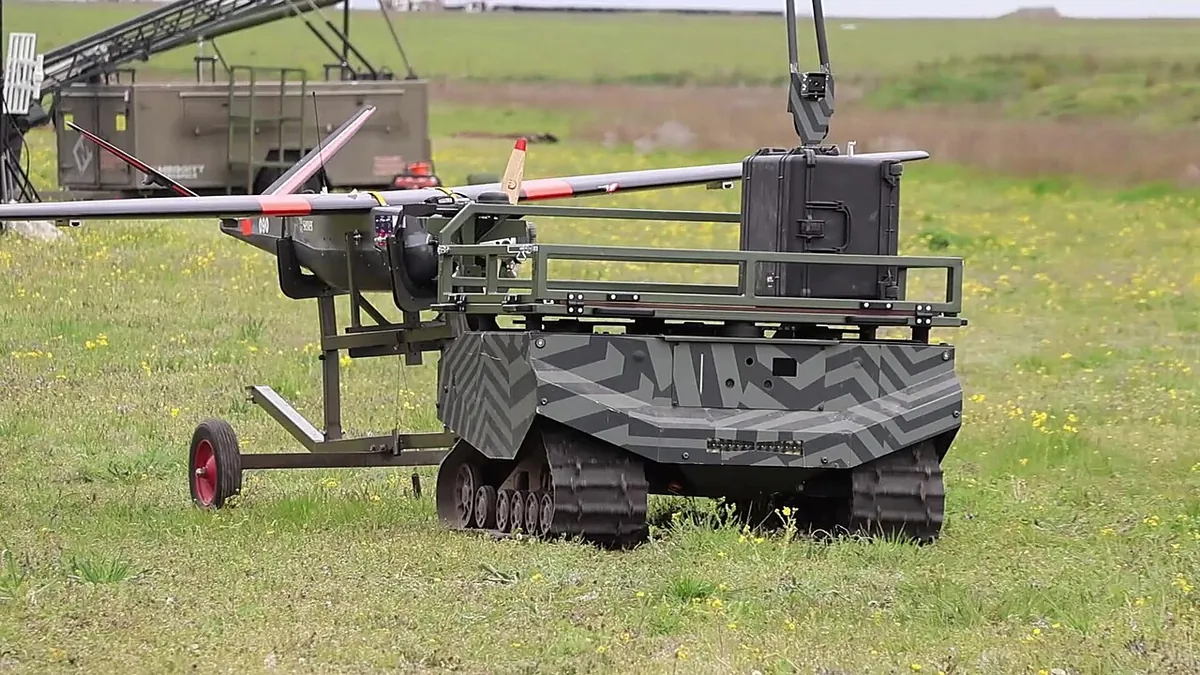
To understand the significance of the operation in Libya, one must examine the technological leap that made it possible. Ukraine has steadily transformed from a defender utilizing standard infantry weapons into an innovator of sophisticated, long-range unmanned aerial and maritime systems. By leveraging commercially available components, custom programming, and decentralized manufacturing, engineers have built platforms capable of navigating complex maritime routes and executing precision strikes far from home. This operational agility bypasses traditional supply chain bottlenecks and challenges heavy, conventional naval defenses.
The mechanics of launching an asymmetric strike in North Africa require immense coordination, intelligence sharing, and advanced navigational tech. Unlike conventional missile systems that rely on massive state infrastructure, modern drone warfare depends heavily on resilient software, encrypted satellite links, and adaptable guidance mechanisms. This allows operators to bypass traditional radar sweeps and exploit blind spots in foreign ports. The success off the Libyan coast demonstrates that distance is no longer a protective buffer for foreign assets aligned with aggressive state actors.
Furthermore, this technological capability represents a democratization of military projection. Historically, only superpowers with global carrier fleets and overseas military bases could strike targets across continents. Today, a nation fighting a defensive war on its own soil can export its tactical reach using relatively low-cost hardware augmented by cutting-edge software. This paradigm shift forces military planners worldwide to rethink naval architecture, port security, and coastal defense strategies against non-traditional, highly mobile threats.
Why Russian Warships Were Operating in North Africa
The presence of Russian naval assets in Libyan waters is far from accidental; it represents a calculated strategy to project influence across the Mediterranean and secure vital logistical hubs. Moscow has long sought warm-water ports and strategic footholds in North Africa to counterbalance NATO influence, secure mineral supply routes, and project power into sub-Saharan Africa. These vessels act as floating embassies of military might, signaling enduring geopolitical ambition even as primary forces remain bogged down in Eastern Europe.
For local Libyan factions, hosting foreign warships has historically been viewed as a pragmatic, if precarious, mechanism to secure financial backing, military equipment, and external political patronage. However, this cozy relationship has suddenly turned into a major liability. When foreign conflicts are imported into local harbors, host nations find themselves unwillingly thrust onto the front lines of a global superpower confrontation, inviting unwanted scrutiny, economic fallout, and devastating security breaches.
The vulnerability of these deployed assets exposes the inherent risks of overextended military strategies. Moscow's reliance on aging naval infrastructure combined with scattered foreign deployments creates soft targets for innovative adversaries. When high-value warships can be compromised thousands of miles away from the Black Sea, the strategic calculus of maintaining distant outposts changes fundamentally. It forces military leadership to choose between pulling back assets to safer zones or investing heavily in costly, unpredictable coastal defense upgrades.
The Immediate Regional Fallout and Retaliation Threats
The aftermath of the strike quickly transcended military calculations, sparking fierce diplomatic blowback and direct threats from Libyan military factions. Following reports that naval officers succumbed to injuries sustained during the attack, local commanders vowed swift retaliation against what they termed an intolerable violation of sovereign waters. This rhetoric underscores the volatile nature of North Africa, a region already struggling with internal fragmentation, militia rivalries, and competing international interests.
Libyan authorities find themselves in an extremely delicate position, caught between their diplomatic and military entanglements with Moscow and the stark reality of their own compromised security architecture. Public outrage over foreign casualties demands a strong response, yet launching actual retaliation risks pulling the fragile North African state deeper into a European war that it cannot afford to join. Diplomats are working frantically behind closed doors to de-escalate tensions before local rhetoric translates into kinetic action.
This localized friction highlights a broader danger: the contagion effect of modern warfare. When distant belligerents bring their fights to third-party territories, they destabilize fragile local governments and risk opening entirely new theaters of conflict. For international observers, the threat of retaliation in Libya is a stark reminder that modern wars do not stay neatly quarantined within designated battle zones, but instead bleed outward into vulnerable geopolitical seams across the globe.
How Technology Is Redrawing the Global Conflict Map
The intersection of consumer technology and military application has fundamentally altered how wars are fought and where they can reach. Drones, once the exclusive domain of elite intelligence agencies, now incorporate commercial-grade microprocessors, advanced computer vision, and resilient mesh communication networks. This convergence allows developers to iterate at a blistering pace, far outpacing the sluggish procurement cycles of traditional defense contractors. As a result, battlefield innovation happens in real time, driven by software updates rather than multi-year manufacturing contracts.
This technological evolution also blurs the line between civilian tech development and military operations. Many of the components driving modern autonomous maritime and aerial vehicles are sourced from global commercial supply chains. When nations can weaponize commercially accessible tools to neutralize multi-million-dollar warships, the traditional cost-benefit analysis of military hardware is shattered. A relatively inexpensive drone can inflict catastrophic damage on assets that took decades and billions of dollars to build.
Ultimately, this democratization of lethality means that no nation or naval fleet is truly safe simply by virtue of operating far from active front lines. Strategic depth has been compressed by satellite navigation and autonomous guidance systems. As technology continues to democratize advanced warfare capabilities, the international community must grapple with a world where digital code can project physical devastation across oceans, irrevocably changing the nature of international security and global lifestyle stability.
For more insights into how cutting-edge technology continues to reshape international trends and modern security landscapes, explore our latest reporting on digital globalization: Wizards of the Coast's Legal Crackdown: Inside the PrintMTG Lawsuit.
Economic and Supply Chain Ripples Across Europe and Africa
While the immediate physical damage was inflicted on a naval vessel in a North African port, the economic and logistical repercussions extend far beyond the blast zone. The Mediterranean basin is a vital artery for international shipping, energy transport, and global commerce connecting Europe, Africa, and Asia. Any escalation of hostilities in these waters introduces immediate risk premiums for maritime insurers, shipping companies, and energy traders operating in the region.
Furthermore, international supply chains are increasingly sensitive to regional instability. Energy flows originating from North Africa, including vital natural gas pipelines and petroleum exports, remain foundational to European economic stability. When military strikes occur along these critical trade corridors, markets react with immediate volatility. Investors and corporate leaders are forced to re-evaluate operational risks, supply chain redundancies, and contingency plans for assets stationed across the Mediterranean basin.
This economic vulnerability emphasizes that modern conflicts are deeply interconnected with global financial health. The days of localized skirmishes having zero impact on everyday consumer goods or energy prices are long gone. As geopolitical flashpoints multiply and spread across non-traditional borders, global supply chains bear the brunt of the uncertainty, driving up costs and complicating commercial planning for businesses worldwide.
The New Normal of Transnational Asymmetric Warfare
As we look toward the future, the incident in Libya serves as a definitive turning point for how international conflicts will be conducted in the twenty-first century. Transnational asymmetric warfare is no longer a speculative theory discussed in defense think tanks; it is an active, evolving reality. Smaller nations and nimble actors will continue to exploit technological gaps, utilizing remote systems to challenge entrenched superpowers on global stages.
This shift demands a radical overhaul of defensive doctrines and intelligence-sharing frameworks among allied nations. Traditional security perimeters, physical borders, and distant deployment strategies must be reimagined to account for hyper-mobile, tech-driven threats. Intelligence agencies will need to focus heavily on supply chain tracking, software security, and rapid attribution capabilities to deter unauthorized strikes outside established combat zones.
Ultimately, the broader lesson of the Ukrainian raid on Russian assets in North Africa is that globalization cuts both ways. Just as trade, information, and culture flow freely across borders, so too does conflict. For society at large, recognizing this interconnected reality is the first step toward navigating an increasingly unpredictable world where technology empowers distant actors to reshape the global geopolitical landscape overnight.