Cartagena Supermarket Hostage Crisis Resolved
Colombian security forces successfully concluded a tense 17-hour supermarket siege in Cartagena, rescuing dozens of hostages. This high-stakes incident highlights modern urban security challenges and crisis response strategies.
Key Takeaways
- Security forces stormed a Cartagena supermarket, ending a 17-hour hostage crisis.
- Approximately 20 to 30 hostages were safely rescued, according to presidential and official reports.
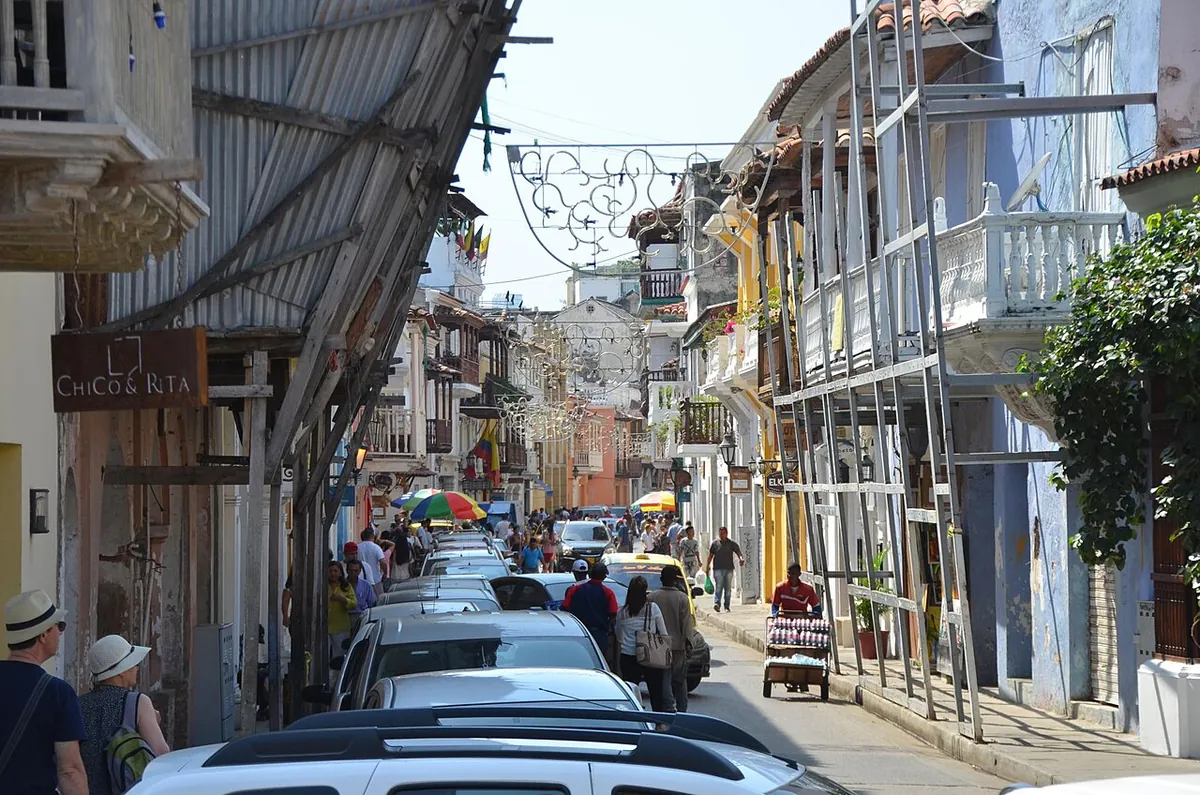
- The incident unfolded in Cartagena, one of Colombia's premier international tourist destinations.
- Urban crisis management and rapid tactical responses proved critical in preventing tragic outcomes.
In a dramatic development that gripped both local residents and international observers, Colombian security forces successfully executed a high-stakes tactical operation to end a prolonged supermarket siege in Cartagena. The operation, confirmed directly by the nation's president and top security officials, brought a peaceful end to a harrowing 17-hour ordeal that trapped dozens of innocent civilians inside a commercial hub. Armed individuals had initially taken over the establishment, sparking widespread panic and immediate mobilization from elite police units who surrounded the area through the night.
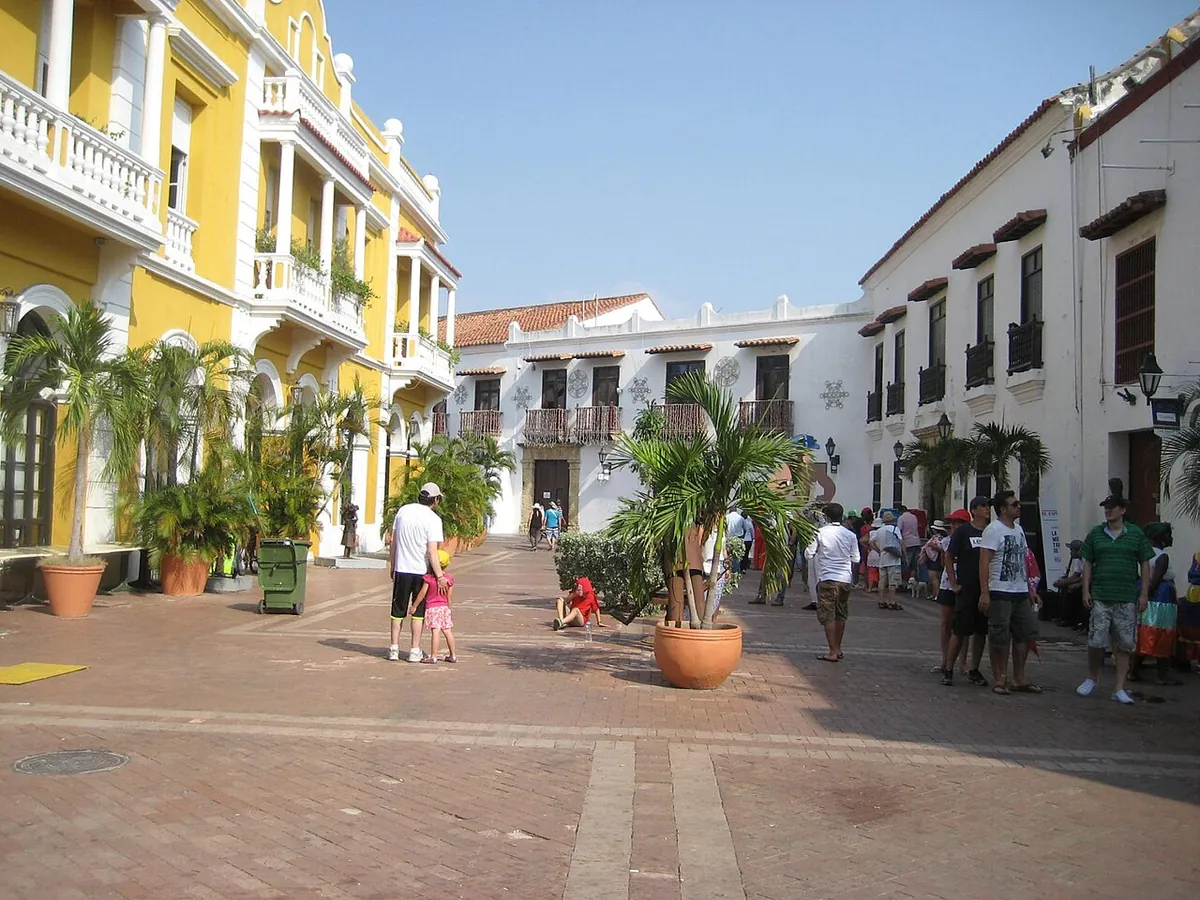
The incident immediately drew global attention because it occurred in Cartagena, a crown jewel of Colombia's thriving tourism sector known for its historic walled city, picturesque Caribbean coastline, and bustling commercial districts. While urban tourism has surged across South America, major security disruptions like this serve as a stark reminder of the complex security matrix governing modern metropolitan centers. As details emerged regarding the meticulous planning behind the rescue, security analysts began examining how rapid communication tools, advanced tactical coordination, and urban resilience play pivotal roles in contemporary crisis resolution.
Anatomy of a 17-Hour Urban Standoff
The crisis began during standard operating hours when armed perpetrators breached the supermarket, quickly seizing control of the building and trapping shoppers and staff inside. As initial reports filtered through emergency dispatch channels, local authorities immediately locked down the surrounding perimeter. The sheer unpredictability of retail spaces, which often feature multiple exits, sprawling stockrooms, and large plate-glass windows, compounded the tactical challenge for responding units who had to secure the perimeter without escalating hostilities.
Throughout the lengthy 17-hour standoff, negotiators maintained a delicate balance of communication with the captors while elite tactical teams rehearsed entry strategies in nearby staging areas. Time is both an asset and a liability in hostage scenarios; prolonged negotiations can wear down perpetrators and allow for better intelligence gathering, but they also ratchet up psychological stress for the hostages and exhaust emergency responders standing watch in the tropical heat.
As daylight broke, the situation reached a critical inflection point. Intelligence gathered by undercover operatives and surveillance drones provided commanders with a clear layout of the interior positions, ultimately greenlighting the decisive storming operation. The seamless synchronization between negotiators inside the command post and tactical operators on the ground proved instrumental in ensuring that the rescue could be executed with precision and minimal collateral risk.
The Impact on Cartagena’s Tourism and Lifestyle Economy
Beyond the immediate humanitarian relief, the hostage situation sent immediate shockwaves through Cartagena's robust tourism and lifestyle ecosystem. As one of Colombia's premier economic engines and a magnet for international travelers, the city relies heavily on projecting an image of safety, vibrancy, and effortless Caribbean hospitality. High-profile security breaches invariably prompt temporary anxiety among travelers, forcing local tourism boards and municipal leaders to reassure visitors about the safety infrastructure.
Modern urban lifestyle heavily intersects with a sense of public security, where residents and visitors alike expect seamless safety while navigating shopping centers, restaurants, and cultural landmarks. When unexpected disruptions occur, they disrupt the psychological comfort that underpins thriving urban spaces. Local business associations in Cartagena quickly mobilized to support affected workers and consumers, emphasizing that the swift containment of the threat demonstrates the resilience of the city's institutional safety nets.
International travel trends increasingly factor in crisis management capabilities when tourists evaluate potential destinations. Cities that demonstrate transparency, decisive professional response, and rapid restoration of normalcy often recover public confidence far quicker than those where crises linger unchecked. By bringing a definitive end to the siege without major casualties, Cartagena's security apparatus reaffirmed its capacity to safeguard both local communities and the international visitors who sustain its vibrant hospitality sector.
Modern Tactical Policing and Urban Crisis Management
The successful storming of the Cartagena supermarket sheds light on the evolution of tactical policing and specialized urban intervention strategies in Latin America. Contemporary law enforcement agencies no longer rely solely on brute force; instead, they integrate advanced intelligence, psychological profiling, and cutting-edge tactical gear to manage volatile environments. Training regimens for elite units increasingly simulate complex commercial layouts, reflecting the reality that modern hostage takers frequently target densely populated retail hubs.
Communication technology plays an indispensable role during these protracted standoffs. From encrypted tactical radios to real-time aerial feeds and digital mapping tools, modern commanders possess unprecedented visibility into crisis zones. This technological edge enables precision interventions that minimize the risk of crossfire and protect civilian lives, marking a significant departure from older, less coordinated law enforcement approaches that often resulted in tragic outcomes.
Furthermore, the psychological dimension of modern crisis management has evolved significantly. Specialized negotiators work in tandem with tactical strategists to exploit behavioral vulnerabilities of captors, buying crucial time for rescue teams to position themselves advantageously. The successful resolution in Cartagena highlights how blending psychological expertise with rigorous tactical execution remains the gold standard for handling high-stakes urban sieges in the twenty-first century.
Navigating Information Flow in the Age of Social Media
In an era dominated by instantaneous digital communication, major breaking news events like the Cartagena supermarket siege unfold in real time across social media platforms long before official press conferences take place. Bystanders, local residents, and trapped individuals frequently share videos, rumors, and unverified updates online. This digital deluge creates unique challenges for emergency responders and municipal authorities who must combat misinformation while managing a delicate live tactical operation.
The rapid spread of information can inadvertently jeopardize security operations if captors monitor live broadcasts or social media feeds to anticipate police movements. Consequently, public safety officials increasingly rely on strategic communication protocols, issuing timely yet guarded advisories to media outlets and the public. Balancing transparency with operational security is a tightrope walk for modern governments, requiring digital literacy and proactive media relations during high-stress crises.
Once the dust settles and the operation concludes, the digital footprint of the event transforms into a vital archive for media analysis, public accountability, and institutional learning. News organizations parse digital uploads to reconstruct timelines, verify official statements, and assess the broader societal impact. The Cartagena incident underscores how modern news reporting and public safety are inextricably linked through the hyper-connected architecture of contemporary digital media.
For a deeper look at how modern urban centers are leveraging smart technology to enhance public safety and lifestyle infrastructure, explore our recent coverage on evolving metropolitan security trends: Kilmar Ábrego García Arrives in Spain, Ending Trump Deportation Saga.
Socioeconomic Undercurrents and Urban Security Challenges
While high-profile incidents like a supermarket siege capture global headlines, they often reflect deeper, complex socioeconomic pressures simmering beneath the surface of rapidly growing urban centers. Rapid urbanization, economic inequality, and shifting criminal dynamics pose persistent challenges for municipal governments striving to maintain public order. Analyzing these incidents requires looking beyond the immediate tactical response to examine the structural factors influencing crime and security in tourist-heavy regions.
Governments across Latin America are continually forced to adapt their security frameworks to counter opportunistic criminal acts that exploit commercial vulnerabilities. Supermarkets, shopping malls, and public transit hubs are naturally high-traffic zones where maintaining absolute security is virtually impossible without transforming everyday spaces into heavily militarized fortresses—an approach that undermines the open, welcoming lifestyle modern citizens desire.
Achieving a sustainable balance between robust public safety and open community lifestyle remains an ongoing policy challenge. Municipal leaders must invest concurrently in community policing, social welfare initiatives, and intelligence-led crime prevention. The peaceful resolution in Cartagena provides a moment of relief, but it also serves as a catalyst for deeper discussions regarding how cities can fortify their social fabric against unpredictable security threats.
Institutional Resilience and the Path to Normalcy
The immediate aftermath of a major hostage rescue is defined by a delicate transition from emergency response to community recovery and institutional reflection. Following the president's public confirmation of the successful rescue, local authorities in Cartagena immediately shifted focus toward psychological support for the liberated hostages, forensic investigations, and the restoration of normal commercial activity in the affected neighborhood.
Institutional resilience is measured by how swiftly a city can absorb a profound shock and return to its daily rhythms without compromising safety or public trust. Local businesses surrounding the Cartagena supermarket rallied together, demonstrating a strong communal solidarity that helped counteract the fear sown by the attackers. Such resilience is a hallmark of urban centers that have weathered various historical and contemporary challenges.
As the legal proceedings against the perpetrators begin, the broader community turns its attention toward long-term security enhancements and preventative measures. Policymakers, law enforcement officials, and civic leaders will undoubtedly review the lessons learned from the 17-hour ordeal to refine future emergency protocols. Ultimately, the successful rescue stands as a testament to professional competence, strategic coordination, and the enduring resilience of the human spirit in the face of unexpected adversity.