Gas Prices, Public Trust, and Democratic Strategy on Capitol Hill
As energy markets fluctuate, congressional Democrats find themselves navigating a complex political landscape where public sentiment on economic policy offers a unique buffer against traditional voter backlash.
Key Takeaways
- Recent polling indicates a nuanced shift in how Americans evaluate congressional leadership and overarching legislative agendas.
- Economic volatility, particularly regarding fuel costs, historically triggers immediate voter anger toward the party in power.
- Strategic messaging and broader legislative priorities are helping cushion lawmakers from severe partisan blowback.
- Voters increasingly separate their everyday frustrations with consumer prices from their broader approval of structural policy goals.
American politics has long operated under a predictable gravitational pull where rising fuel costs at local service stations invariably drag down the approval ratings of whichever party currently holds power in Washington. Motorists watching digital price boards tick upward usually channel their immediate frustration straight toward Capitol Hill, making gasoline prices one of the most volatile and dangerous variables in national elections. However, recent political dynamics and evolving public opinion research suggest that this traditional equation might be experiencing a notable structural shift, altering how congressional leaders absorb voter discontent.
Recent data compiled by prominent research institutions, including Pew Research Center and various national outlets, reveals a fascinating disconnect between generalized consumer anxieties and specific evaluations of congressional policy agendas. While daily financial pressures continue to squeeze household budgets across the country, a surprising majority of Americans have expressed conditional approval for the overarching policy directions championed by Democratic lawmakers. This evolving sentiment creates a unique political buffer, potentially shielding legislators from the full brunt of traditional voter ire should energy markets experience unexpected surges or supply chain disruptions in the coming months.
The Historical Volatility of Fuel Prices and Voter Sentiment
For decades, political analysts and campaign strategists have treated the local gas station price board as an infallible barometer of voter satisfaction and electoral health. Whenever crude oil markets fluctuate or geopolitical tensions disrupt supply chains, motorists immediately feel the pinch at the pump and direct their anger toward the administration and congressional leaders in Washington. This reflexive backlash has historically crossed party lines, punishing incumbents regardless of whether federal legislation directly caused the price spike or if global market forces were entirely to blame for the economic turbulence.
The psychological impact of paying more to fill up a family sedan or commercial delivery vehicle extends far beyond simple household budgeting concerns. It serves as a visible, daily reminder of economic policy direction, functioning essentially as a rolling billboard for the current state of the national economy. Because driving is an indispensable part of daily life for the vast majority of American workers, any sustained upward movement in fuel expenditures triggers a deep-seated sense of anxiety that easily translates into political retribution at the ballot box during midterms and general election cycles.
Yet, as modern energy markets continue to navigate complex domestic production shifts and international diplomatic pressures, the traditional political fallout associated with expensive gasoline appears to be undergoing a subtle transformation. Lawmakers on Capitol Hill are discovering that contemporary voter behavior is increasingly mediated by broader partisan alignments and alternative economic grievances. This shifting landscape means that a sudden surge in fuel costs might no longer guarantee a uniform wave of anti-incumbent sentiment, forcing political scientists to reevaluate long-standing assumptions about consumer pain and legislative accountability in Washington.
Deconstructing Recent Polling and Public Approval Trends
Recent comprehensive polling data from organizations like the Pew Research Center has provided a remarkably counterintuitive look at how the American electorate views congressional leadership and legislative priorities. Contrary to conventional wisdom that ties governing approval strictly to short-term economic indicators like grocery and gas prices, majorities of surveyed citizens have indicated substantial approval for broader Democratic policy plans. This surprising resilience suggests that voters are increasingly capable of compartmentalizing their immediate financial frustrations from their long-term assessments of legislative vision and party competence.
This nuanced public stance highlights a growing distinction between liking individual political figures and endorsing overarching systemic goals such as infrastructure investment, clean energy transitions, and healthcare access. While Washington Post analyses frequently point out that public affection for politicians remains remarkably low, the underlying support for specific policy frameworks remains remarkably sturdy. For congressional Democrats, this divergence represents a vital shield, providing political capital that can help absorb localized shocks like temporary energy price spikes without completely collapsing their broader legislative standing among moderate voters.
Furthermore, media coverage from outlets like Scripps News has emphasized that voters are paying closer attention to the concrete legislative agendas being debated in Congress rather than simply reacting to knee-jerk partisan talking points. When citizens understand the long-term rationale behind federal investments and regulatory adjustments, they are considerably less likely to engage in indiscriminate punishment of incumbents during periods of macroeconomic stress. This heightened level of policy literacy among the electorate fundamentally changes how members of Congress must communicate about ongoing economic challenges and energy market realities.
Strategic Messaging and the Capitol Agenda Framework
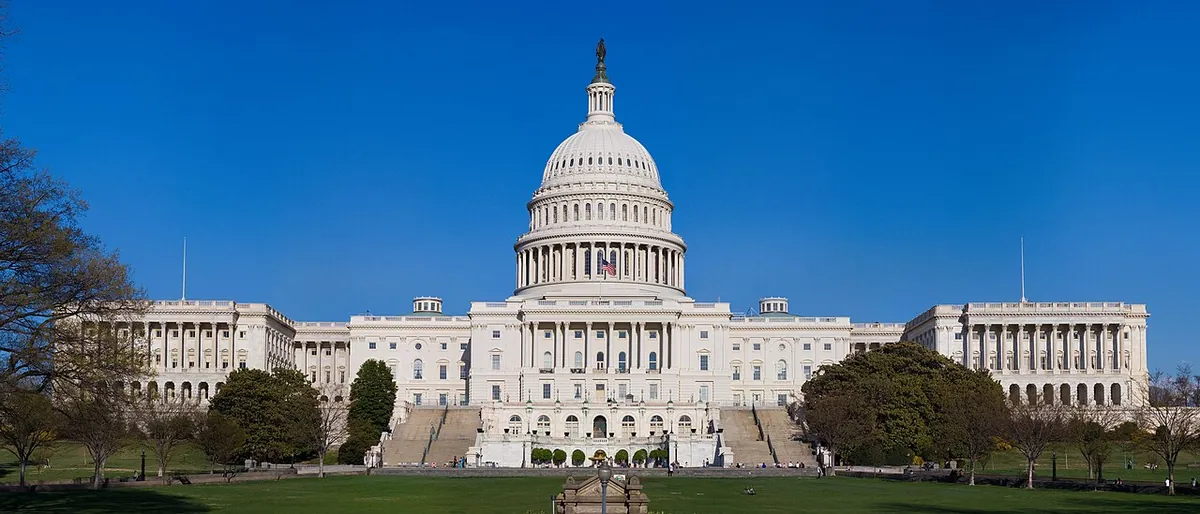
Navigating potential voter backlash over economic stressors requires a highly disciplined communication strategy from congressional leadership on Capitol Hill. Instead of getting bogged down in defensive arguments about daily market fluctuations that they cannot directly control, Democratic lawmakers have increasingly pivoted toward highlighting their proactive legislative agenda. By continually tying current debates back to long-term economic resilience, job creation, and consumer protection initiatives, party strategists aim to reframe the narrative around everyday expenses and structural reforms.
This proactive approach involves framing ongoing investments in domestic manufacturing and alternative energy sources as the ultimate solution to volatile fossil fuel markets. When constituents hear a coherent explanation connecting short-term pain at the pump to a larger, necessary transition toward energy independence, the political narrative shifts from a liability into a forward-looking vision. Lawmakers can thus position themselves as champions of sustainable economic security rather than helpless bystanders reacting to unpredictable global oil cartels and international commodity traders.
Crucially, this legislative framework allows members of Congress to maintain message discipline even when local news cycles are dominated by alarming headlines about rising crude prices. By keeping the focus squarely on middle-class support programs, wage growth, and consumer advocacy, Democratic campaigns can effectively inoculate themselves against single-issue voter anger. It creates a sturdy political firewall, ensuring that temporary economic turbulence does not automatically translate into a sweeping electoral defeat when voters head to the polls to evaluate congressional performance.
The Changing Demographics of Energy Consumption and Politics
The intersection of energy prices and voter behavior is further complicated by sweeping demographic changes across the American electorate. Urban and suburban voters, who increasingly form the backbone of the modern Democratic coalition, often experience energy costs and transportation dependencies differently than rural constituents. Public transit options, electric vehicle adoption rates, and changing commuting patterns mean that a spike in gasoline prices does not uniformly devastate every demographic group in the exact same political manner.
Suburban voters, in particular, have become a crucial battleground where lifestyle choices and environmental concerns frequently intersect with traditional economic anxieties. While a higher price at the pump remains an unwelcome household expense, many suburban residents also express strong support for policies aimed at reducing carbon emissions and promoting sustainable technologies. This ideological duality helps mitigate the traditional knee-jerk anger that politicians once feared, as these voters weigh their immediate financial pinch against their broader support for progressive environmental and economic transitions.
Younger generations of voters further alter this political calculus, as they consistently prioritize long-term climate action and systemic economic reform over short-term fossil fuel price stability. For these emerging cohorts, high gas prices are often viewed as an unfortunate byproduct of an outdated energy system that desperately requires modernization rather than a direct indictment of current congressional leadership. This generational shift in perspective provides a durable reservoir of political goodwill that cushions lawmakers against the most severe forms of traditional voter backlash.
For a deeper look at how shifting consumer trends and legislative priorities intersect in other sectors, explore our latest analysis on modern urban lifestyle shifts: Illuminating the Night: November's Beaver Moon Supermoon Explained.
Economic Resilience and the Broader Consumer Landscape
Beyond political messaging and demographic shifts, the broader economic resilience of American consumers plays a significant role in determining how fuel price fluctuations impact federal elections. Despite persistent inflation and high interest rates across multiple sectors, labor market strength and steady wage growth have provided many households with a financial buffer that was largely absent during previous economic downturns. This underlying financial stability means that a temporary surge in gasoline costs, while frustrating, is less likely to trigger a catastrophic crisis of confidence among working families.
Financial analysts note that consumer spending habits have evolved to absorb moderate inflationary pressures without completely halting discretionary economic activity. When households feel secure in their employment prospects and wage trajectories, they tend to view commodity price spikes as temporary inconveniences rather than permanent disasters. This psychological resilience directly benefits incumbent lawmakers, who no longer face the same level of existential dread when global oil prices tick upward during peak travel seasons or unexpected geopolitical crises.
Consequently, the political cost of economic volatility has become more nuanced and less predictable than historical models suggest. While no political party welcomes images of soaring gas prices on evening news broadcasts, the modern American consumer is navigating a complex web of financial variables that softens the blow for congressional incumbents. By maintaining focus on broader economic health and structural support systems, lawmakers are successfully rewriting the political rules that once governed energy-related voter anger.
Looking Ahead Toward Future Legislative and Electoral Battles
As Washington prepares for upcoming legislative battles and the relentless march toward future election cycles, the ability of congressional Democrats to manage economic perceptions will remain a critical skill. The intersection of energy policy, voter sentiment, and macroeconomic reality requires constant vigilance and adaptable communication strategies from party leaders. Lawmakers cannot afford to take public goodwill for granted, especially given how quickly global events can destabilize domestic energy markets and ignite fresh consumer frustrations at local fueling stations.
Furthermore, political opponents will undoubtedly continue seeking to weaponize any sign of economic distress, attempting to link every incremental increase in consumer prices directly to federal spending and regulatory choices. The ongoing battle for public narrative supremacy will depend heavily on which party can more effectively convince voters that their vision offers the most stable and prosperous path forward. In this high-stakes environment, maintaining transparency and demonstrating genuine empathy for working-class financial pressures will be non-negotiable prerequisites for sustained electoral success.
Ultimately, the evolving relationship between fuel prices and voter ire demonstrates that contemporary American politics is undergoing a fundamental maturation process. Voters are proving themselves capable of weighing complex legislative agendas against everyday economic realities in ways that defy simplistic historical formulas. For congressional Democrats, successfully navigating these treacherous waters offers a blueprint for political survival, proving that strategic vision and consistent public engagement can effectively neutralize even the most volatile pocketbook issues in modern campaigns.