China Ousts Shanghai Chief in Massive Political Purge
The sudden investigation of Politburo member Chen Jining signals an unprecedented escalation in Beijing's ongoing anti-corruption campaign. This high-stakes move reshapes the nation's political landscape and elite power dynamics.
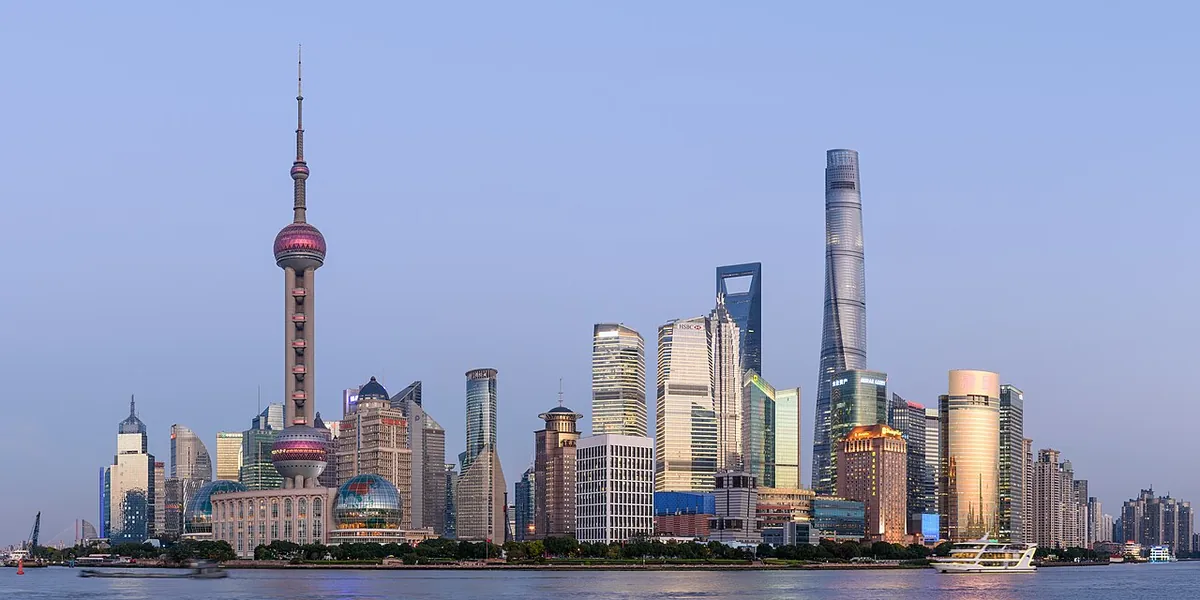
Key Takeaways
- Chen Jining, Shanghai party chief and Politburo member, is under formal investigation for severe disciplinary violations.
- The move represents a major escalation of President Xi Jinping's long-running anti-corruption campaign, targeting elite political circles.
- Once viewed as a rising star and potential future national leader, Chen's sudden downfall stuns domestic and international observers.
- The investigation underscores the tightening grip of central authority over regional financial and technological hubs.
The political landscape of modern China has been rocked by an extraordinary disciplinary action involving one of its most prominent regional leaders. Chen Jining, the current party chief of Shanghai and a sitting member of the elite Politburo, has been placed under formal investigation by the nation's top anti-corruption watchdog. This shocking development has sent immediate ripples across global financial markets and diplomatic circles, transforming how analysts view the stability of top-tier governance. The inquiry marks a dramatic turning point for an official who was previously considered a cornerstone of the country's future administrative leadership.
For international observers and domestic stakeholders alike, the takedown of a high-ranking official governing China's premier financial engine reveals the unyielding nature of President Xi Jinping's political purges. What makes this investigation particularly striking is Chen's technocratic background and his prior stewardship of critical environmental and educational portfolios. By bringing down a figure entrenched in such vital institutional machinery, Beijing is signaling that no official, regardless of their status or past achievements, is immune to scrutiny. As details of the probe continue to emerge, experts are scrambling to decode what this means for broader economic policies and regional autonomy.
The Rise and Sudden Fall of Chen Jining
Chen Jining’s trajectory through the ranks of the Chinese Communist Party was long characterized by elite educational credentials and rapid administrative advancement. An environmental scientist by training, he spent years at prestigious institutions before transitioning into high-profile government roles, including minister of environmental protection. In that capacity, he gained national visibility for spearheading aggressive policies against chronic air pollution, earning a reputation as a capable technocrat. His subsequent appointment as mayor of Beijing and later as party secretary of Shanghai positioned him firmly within the inner circle of national governance, making his sudden downfall all the more jarring to political analysts.
The transition from environmental reformer to the absolute political master of Shanghai represented the pinnacle of Chen's career before this abrupt halt. Shanghai is not merely a bustling commercial hub; it is the beating heart of China's international finance, foreign investment, and technological innovation. Leading such a critical municipality requires a delicate balance of economic pragmatism and absolute political loyalty to the central party committee in Beijing. Observers frequently pegged Chen as a prime candidate for even higher national responsibilities during upcoming leadership transitions. Instead, his tenure has been cut short by severe disciplinary accusations, upending decades of careful career building within the party apparatus.
The announcement of the corruption probe stunned international business communities that relied on Chen to maintain predictable administrative policies in China's economic capital. Foreign corporations operating within Shanghai viewed his technocratic background as a stabilizing force amid broader geopolitical tensions and regulatory tightening. When rumors of his investigation began circulating before official confirmation, financial markets reacted with immediate caution and uncertainty. The sudden evaporation of a key political intermediary highlights the volatile nature of operating within an environment where political loyalty and anti-corruption oversight supersede traditional economic performance metrics.
Escalation of Xi Jinping’s Anti-Corruption Drive
The investigation into Chen Jining is far from an isolated incident, fitting neatly into a broader, systemic campaign spearheaded by President Xi Jinping. Over the past decade, this sweeping anti-corruption crusade has targeted hundreds of thousands of officials, ranging from low-level bureaucrats to retired military generals and top party leaders. What began as an effort to restore party discipline and curb blatant graft has steadily evolved into a permanent instrument of political consolidation. By systematically rooting out potential rivals and enforcing strict ideological conformity, the central leadership has reshaped the internal mechanics of Chinese politics profoundly.
Analysts tracking Chinese political developments note that targeting a sitting Politburo member and regional party chief crosses a significant threshold in the ongoing purge. The Politburo represents the absolute apex of political power in the country, traditionally functioning with a degree of collective insulation from sweeping investigations. Breaching this inner sanctum demonstrates an extraordinary concentration of authority and a willingness to disrupt traditional elite norms to enforce absolute discipline. This escalation sends an unambiguous message to all remaining officials that past accomplishments and high rank offer no protection against allegations of political disloyalty or financial impropriety.
The institutional mechanism behind these purges relies heavily on the Central Commission for Discipline Inspection, which operates with sweeping autonomy and investigative powers. Unlike traditional legal systems, internal party disciplinary procedures move swiftly and opaque, often announcing formal investigations long before any public judicial trials occur. This methodology allows the central leadership to neutralize perceived threats or administrative recalcitrance with remarkable speed. Consequently, the entire administrative apparatus exists in a state of heightened vigilance, where caution often supersedes innovation or risk-taking in local governance.
Implications for Shanghai’s Economy and Tech Sector
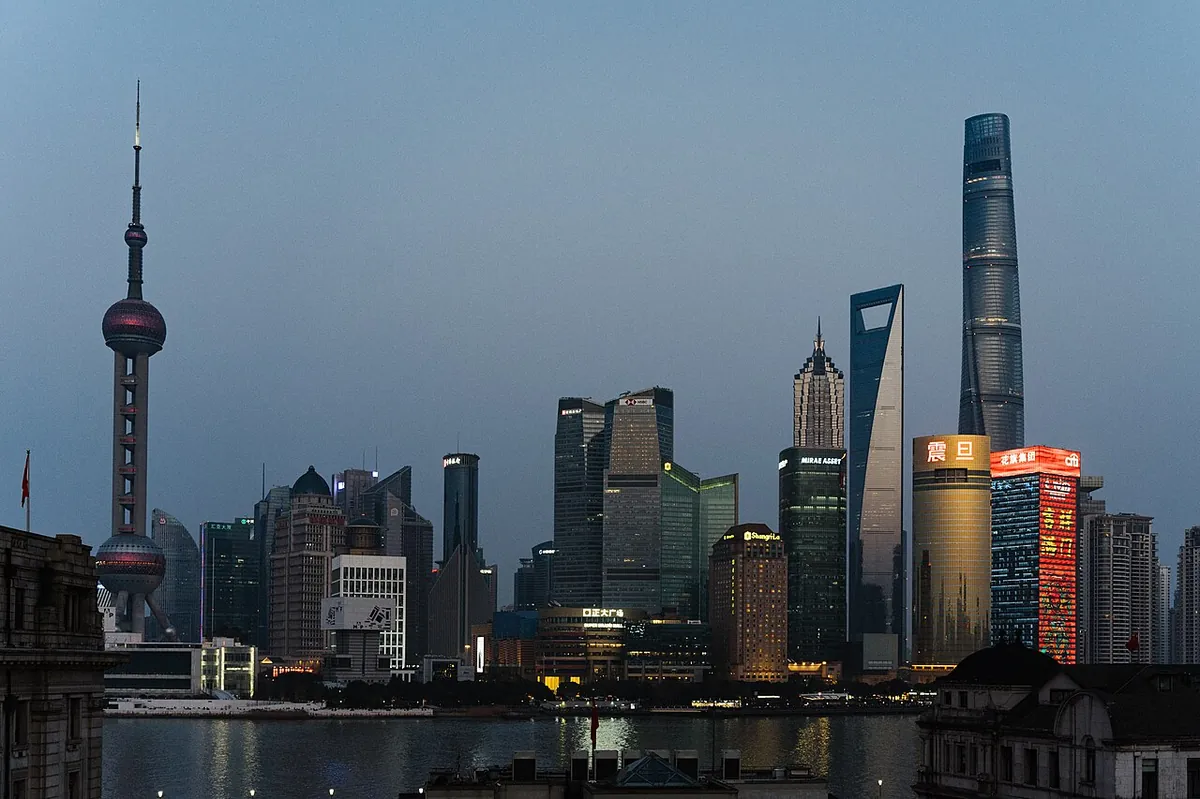
As China's foremost economic and commercial center, Shanghai plays an indispensable role in driving national growth, international trade, and technological development. The removal of its top political leader introduces a profound layer of administrative instability at a time when the local economy is already navigating significant headwinds. Real estate struggles, shifting consumer confidence, and stringent regulatory controls have weighed heavily on the city's financial markets over recent years. Introducing a leadership vacuum or a prolonged period of political uncertainty threatens to paralyze local decision-making precisely when dynamic, responsive governance is most urgently required.
Furthermore, Shanghai serves as a primary incubator for domestic technology giants, cutting-edge startups, and foreign high-tech enterprises seeking a gateway into Asian markets. Chen Jining had previously positioned himself as a facilitator of technological modernization, attempting to woo international investors even as national regulatory crackdowns intensified. The abrupt shift in municipal leadership leaves tech executives and venture capitalists wondering how local policy priorities might evolve under a successor. Uncertainty regarding regulatory enforcement, data security compliance, and market access could prompt cautious investors to reevaluate their long-term regional commitments.
Local bureaucrats within the Shanghai municipal government are now navigating an intensely stressful environment characterized by extreme caution and fear of association. When a high-ranking official falls, subordinates who worked closely with them often find themselves swept up in retrospective reviews and intensive loyalty checks. This atmosphere of paranoia can lead to widespread administrative paralysis, as municipal departments delay signing off on critical projects or implementing innovative policies. For ordinary citizens and business owners in the city, the immediate concern is whether this political earthquake will trickle down to disrupt daily commerce and public services.
The Changing Nature of Elite Chinese Politics
The trajectory of China's political elite has undergone a fundamental transformation under the current administration, shifting away from consensus-driven governance toward centralized authority. Historically, factions and regional power bases provided a system of checks and balances within the ruling party, allowing various interest groups to negotiate policy directions. However, consecutive rounds of targeted anti-corruption campaigns have effectively dismantled traditional factional networks, leaving little room for independent political maneuvering. The investigation into Chen Jining illustrates that regional strongholds are no longer autonomous power centers capable of shielding their leaders from central scrutiny.
This shift alters how rising political stars navigate their careers, placing an overwhelming premium on demonstrated ideological alignment over independent economic management. Technocratic competence, once viewed as a ticket to the highest echelons of power, is now secondary to absolute political loyalty and strict adherence to party directives. Officials who previously built their reputations on fostering business growth or environmental reforms must now constantly demonstrate their unwavering commitment to central mandates. This dynamic discourages bold policymaking and encourages a risk-averse bureaucratic culture where avoiding mistakes becomes more important than achieving tangible results.
International relations experts and diplomats studying these internal dynamics are forced to recalibrate how they assess political stability within Beijing's top tier. While a consolidated leadership can execute sweeping long-term strategies without democratic friction, it also runs the risk of creating an echo chamber devoid of constructive feedback. When high-ranking officials are removed abruptly, the mechanisms for succession planning and peaceful political transition become increasingly opaque and unpredictable. This lack of transparency complicates foreign policy engagements, as external actors struggle to identify reliable interlocutors within the shifting political hierarchy.
For broader perspectives on how global political shifts intersect with digital lifestyles and modern enterprise, explore our latest tech and lifestyle trend reports: Army Prepares Massive Iowa Lead Azide Detonation Amid Safety Debate.
Global Repercussions and Foreign Investor Sentiment
The international fallout from the investigation into Shanghai's party chief extends far beyond regional administrative concerns, directly impacting global investor sentiment toward China. Foreign corporations, multinational financial institutions, and global supply chain managers closely monitor high-level political stability to gauge long-term operational risks. When a leader governing the country's financial capital is suddenly ousted under a cloud of corruption allegations, it reinforces existing anxieties about regulatory unpredictability. Consequently, multinational boardrooms are forced to reassess their exposure to Chinese markets, weighing potential growth against mounting political volatility.
Global financial markets have increasingly priced political risk into their valuations of Chinese equities, especially concerning firms anchored in eastern commercial hubs. Foreign direct investment has faced notable headwinds as international firms diversify their operations toward alternative manufacturing and financial centers across Southeast Asia and beyond. The latest political upheaval in Shanghai provides fresh ammunition for critics who argue that opaque regulatory environments and unpredictable state interventions outweigh market opportunities. Rebuilding international trust will require sustained efforts from incoming municipal leadership to demonstrate transparency and a commitment to fair economic practices.
Diplomatic capitals from Washington to Brussels are carefully analyzing the motivations and timing behind the purge to understand future geopolitical trajectories. Some analysts view the move as a sign of absolute strength and unshakeable control by the central government, while others interpret it as evidence of underlying anxiety regarding elite cohesion. Regardless of the interpretation, foreign governments must navigate an increasingly complex landscape where domestic political purges can instantaneously alter the rules of international economic engagement. The situation underscores the necessity for foreign enterprises to maintain robust risk management strategies when operating in state-dominated markets.
Looking Ahead at the Next Generation of Leadership
As Beijing moves forward with the investigation and prepares to restructure the leadership of its premier financial hub, attention turns to who might replace Chen Jining. The selection of a new Shanghai party chief will serve as a crucial bellwether for the central government's economic priorities and administrative philosophy. Appointing a hardline loyalist would signal a deepening centralization of control, whereas choosing an experienced economic reformer might reassure anxious business communities. Every candidate will be scrutinized for their ability to balance stringent political oversight with the economic dynamism required to keep Shanghai globally competitive.
The broader succession landscape within the Chinese Communist Party has also been fundamentally altered by these rapid, unpredictable purges of top-tier talent. Potential rising stars who once seemed destined for national prominence now operate under the constant shadow of potential disciplinary reviews, altering their leadership styles. Mentorship networks have dissolved, and aspiring officials are acutely aware that career advancement depends entirely on avoiding controversy rather than courting high-profile success. This evolution ensures that the next generation of national leaders will possess a very different set of political instincts compared to their predecessors.
Ultimately, the unfolding drama surrounding Shanghai's leadership serves as a stark reminder of the realities governing modern Chinese politics and institutional power. For domestic observers, business operators, and international partners alike, navigating this environment requires a constant adjustment to shifting political winds and centralized mandates. As the investigation progresses toward formal legal proceedings and new appointments are finalized, the world will watch closely to see how China balances its internal security imperatives with its global economic ambitions. The stakes could not be higher for a nation attempting to project stability in an increasingly volatile world.