Illuminating the Night: November's Beaver Moon Supermoon Explained
As the autumn season reaches its lunar peak, stargazers and astrophotographers prepare for a stunning celestial display. We examine the science, history, and cultural resonance behind November's remarkable supermoon.
Key Takeaways
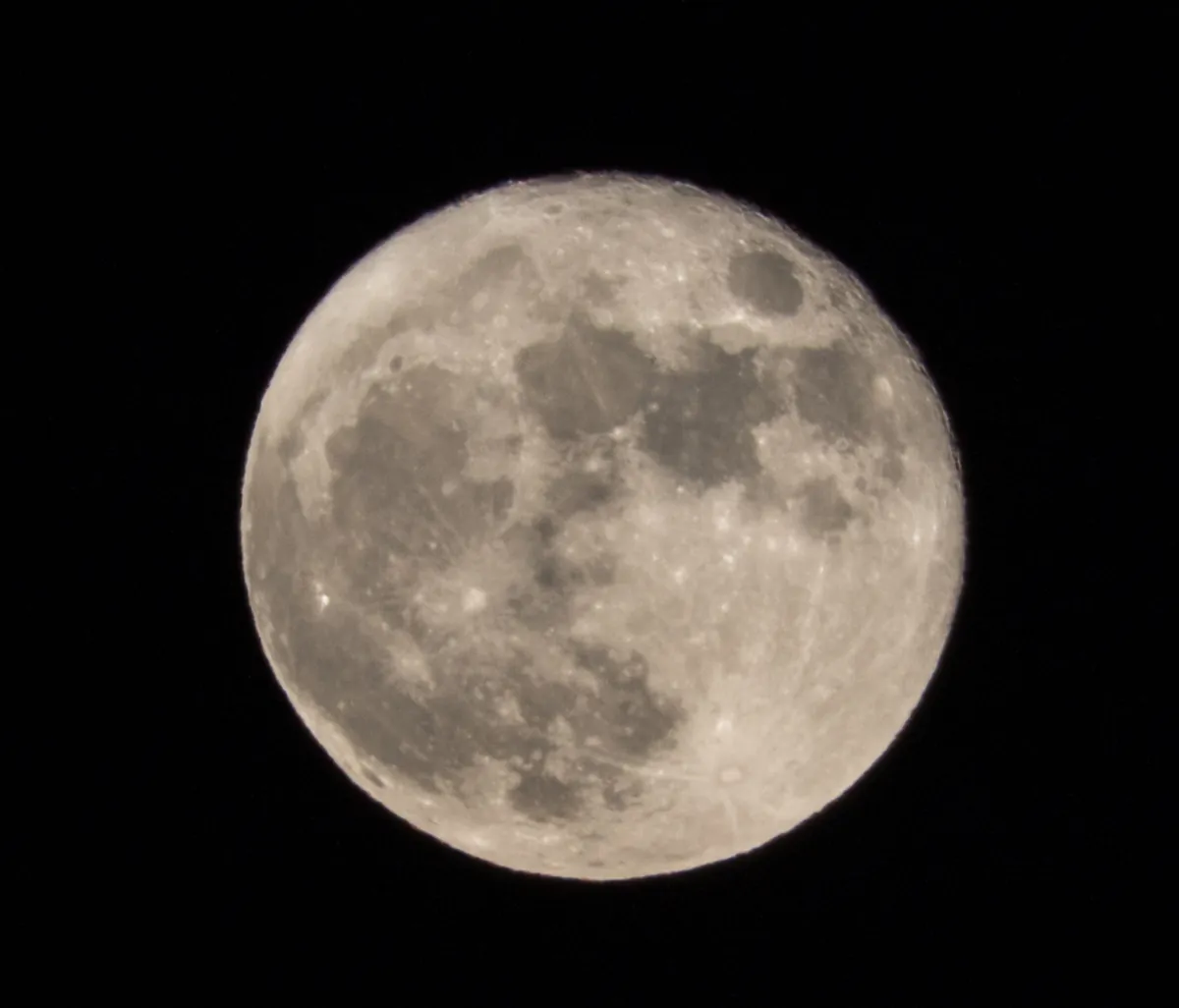
- November's full moon, traditionally known as the Beaver Moon, often coincides with a lunar perigee, creating a dramatic supermoon.
- Supermoons appear slightly larger and brighter than average full moons due to their closer proximity to Earth in their elliptical orbit.
- Historical monikers like Beaver Moon trace back to Native American, colonial, and European folklore marking seasonal animal behaviors and weather shifts.
- Modern urban astronomy apps and simple digital camera settings make viewing and photographing this celestial event accessible to everyone.
As autumn transitions into the brisk chill of late November, stargazers across North America and beyond are turning their eyes upward toward one of the most anticipated lunar spectacles of the year. The upcoming full moon, widely celebrated as the Beaver Moon, promises a brilliant celestial show enhanced by its status as a supermoon. For centuries, humans have tracked these monthly lunar cycles to mark the passage of time, seasonal transitions, and agricultural milestones. Today, this ancient fascination continues to captivate modern audiences, blending age-old folklore with contemporary scientific curiosity and a booming interest in backyard astronomy.
What makes this particular lunar event so compelling is the convergence of traditional folklore with the mesmerizing optical illusion of a supermoon hanging low in the autumn horizon. While full moons occur roughly every 29.5 days, not all of them align with the moon's closest approach to Earth in its elliptical orbit. This alignment results in a celestial body that appears noticeably brighter and slightly larger to the naked eye. As urban dwellers and rural observers alike prepare for clear night skies, understanding the underlying mechanics and historical context adds a profound layer of appreciation to an otherwise routine nocturnal observation.
The Mechanics of the Supermoon Phenomenon
To truly appreciate the visual splendor of November's lunar display, it helps to understand the astronomical mechanics governing our closest cosmic neighbor. The moon does not orbit Earth in a perfect circle; instead, its path traces an ellipse, bringing it closer to our planet at some points and pushing it farther away at others. The point of closest approach is known as the perigee, while the farthest point is called the apogee. When a full moon coincides precisely with or occurs near the perigee, astronomers and media outlets alike refer to it as a supermoon, a term that has captured public imagination over the past few decades.
During a supermoon event, the lunar disc can appear up to fourteen percent larger and roughly thirty percent brighter than a micromoon, which happens when a full moon occurs near its apogee. While these percentages sound dramatic, casual observers might find it difficult to discern the size difference without a direct point of comparison in the sky. However, the brightness increase is unmistakable, casting long shadows and illuminating nocturnal landscapes in a silvery glow. This heightened luminosity makes nighttime walks more enchanting and provides amateur astronomers with exceptional visibility for observing lunar craters, maria, and highland regions using basic binoculars.
The visual impact of the supermoon is further amplified by a psychological and optical phenomenon known as the moon illusion. When the moon hangs low near the horizon just after moonrise, our brains compare its size to familiar terrestrial objects like trees, buildings, and mountains, making it appear immense. This optical trickery combines with the physical proximity of the lunar perigee to create unforgettable photo opportunities and breathtaking evening vistas. As the moon ascends higher into the stratosphere throughout the night, it gradually shrinks back to its standard perceived scale, demonstrating how human perception plays a powerful role in our experience of the cosmos.
Historical Origins and the Beaver Moon Moniker
Long before modern calendars and digital timekeeping systems dictated our daily schedules, indigenous communities, colonial settlers, and early European farmers relied on the naming of full moons to track seasonal changes. The moniker Beaver Moon, traditionally assigned to the November full moon, carries deep historical roots connected to the natural world. During this critical window of the year, beavers actively construct and reinforce their winter dams and lodges in preparation for the freezing temperatures ahead. These industrious rodents were historically targeted by fur trappers during this period, establishing a practical seasonal marker for rural survival and trade economies.
Historical records compiled by various historical societies and agricultural almanacs reveal a rich tapestry of alternative names for the November lunar cycle. Some Native American tribes referred to it as the Frost Moon or the Freezing Moon, acknowledging the rapid onset of winter weather and the first hard freezes that hardened the soil. In Celtic and Anglo-Saxon traditions, it was sometimes called the Dark Moon or the Mourning Moon, reflecting the melancholic transition from vibrant autumn foliage to the barren, quiet landscape of early winter. These diverse linguistic descriptors highlight how deeply interconnected human communities once were with the rhythms of local ecosystems and wildlife behaviors.
Examining these traditional names offers a fascinating window into how past generations interpreted the natural phenomena unfolding above them. Rather than viewing the moon as a distant, sterile rock floating in a vacuum, our ancestors saw it as an active participant in the ecological theater of Earth. The Beaver Moon served as a collective reminder that winter was imminent, prompting communities to secure firewood, harvest remaining root crops, and ready their homesteads. Today, reviving these historical names allows contemporary society to reconnect with cyclical patterns of nature that are often obscured by the relentless pace of modern urban living and indoor lifestyles.
Cultural and Seasonal Significance in Late Autumn
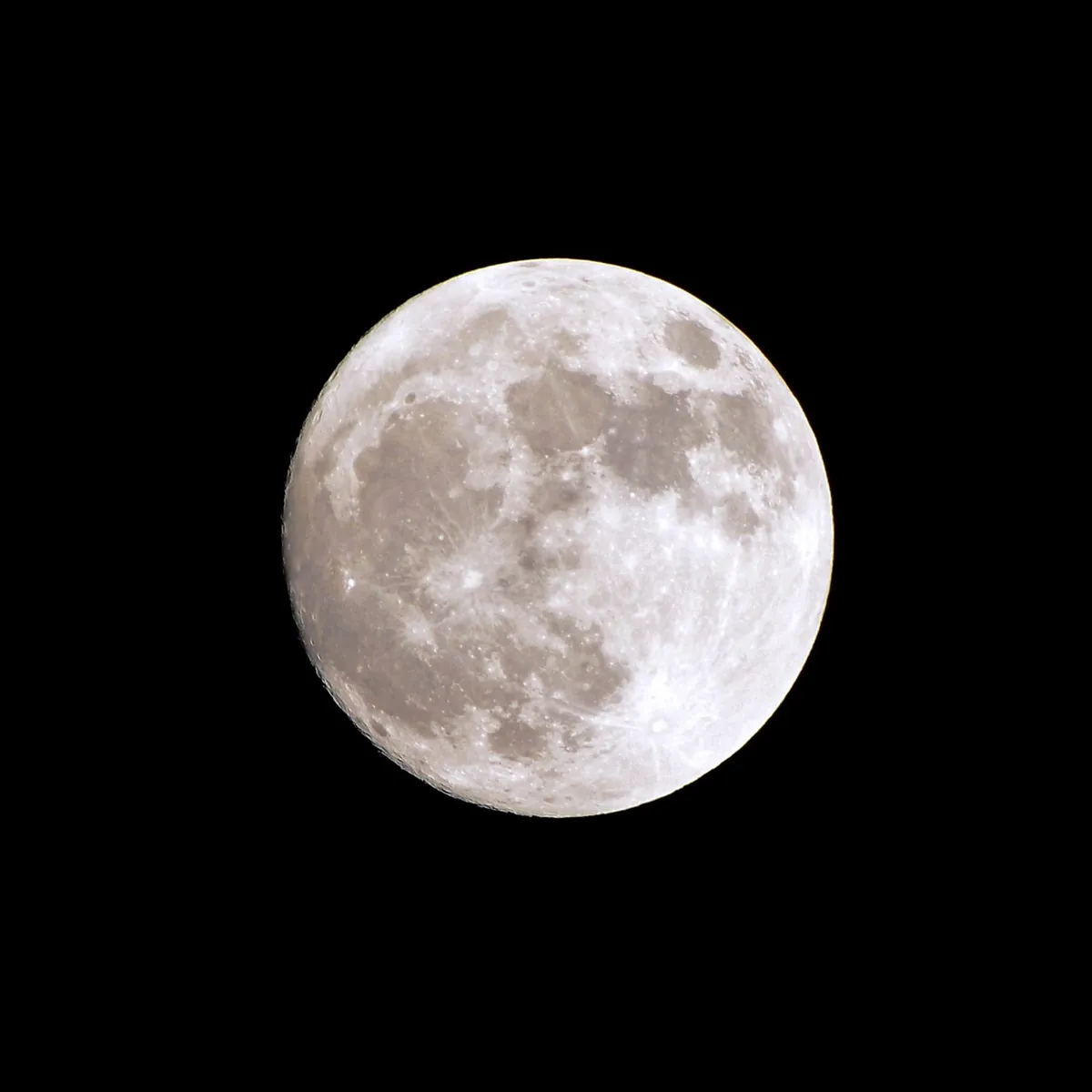
The arrival of November's supermoon coincides with a profound cultural and psychological shift as societies transition deeper into the darker, colder months of the year. In many hemispheres, this period is marked by a noticeable shortening of daylight hours, leading individuals to seek comfort, warmth, and community indoors. The brilliant illumination of the Beaver Moon offers a welcome antidote to early evening darkness, encouraging people to step outside, breathe in the crisp autumn air, and engage with the natural world. This seasonal touchstone reminds us of the earth's tilt away from the sun and the steady progression of the astronomical calendar.
Across various spiritual and wellness traditions, the full moon is often viewed as a potent time for reflection, release, and culmination. The intense light of a supermoon is believed by some practitioners to amplify emotional energy, making it an ideal moment for journaling, meditation, and setting intentions for the upcoming winter season. Whether viewed through a mystical lens or appreciated purely as a magnificent scientific spectacle, the event fosters a collective pause in our busy routines. Communities gather for stargazing events, astrophotography workshops, and nighttime hikes, transforming a solitary celestial observation into a shared cultural experience.
Furthermore, the agricultural cycle reaches its ultimate conclusion around this time of year. With fields lying fallow and harvests safely stored away in root cellars and grain silos, the landscape enters a period of restorative dormancy. The Beaver Moon serves as a celestial sentinel standing watch over this resting earth. By connecting urban and rural populations through a shared skyward gaze, the event bridges the gap between modern technology-driven lifestyles and ancient agricultural traditions, reinforcing our enduring fascination with the luminous rhythms of the cosmos.
Astrophotography Tips for Capturing the Supermoon
Capturing the breathtaking beauty of a supermoon photographically can be both rewarding and notoriously challenging for amateur shooters. Many smartphone users and beginner photographers discover that simply pointing a camera phone at a brilliantly bright moon results in a blurry, washed-out white dot rather than the detailed lunar landscape they envisioned. To overcome this hurdle, understanding exposure control and utilizing proper stabilization techniques are essential first steps. Using a sturdy tripod eliminates hand shake, ensuring crisp images even when working with higher magnification settings or slower shutter speeds in low-light conditions.
For those utilizing digital single-lens reflex or mirrorless cameras, manual settings provide the ultimate creative control over the final image. Experienced astrophotographers recommend using a lower ISO setting to reduce digital noise, coupled with a moderate aperture and a relatively fast shutter speed to compensate for the moon's actual motion across the sky. Because the moon is illuminated by direct sunlight, its surface is surprisingly bright, meaning overexposure is a common trap for beginners. Incorporating foreground elements such as silhouetted tree branches, urban architecture, or rolling hills also adds vital scale and artistic depth to compositions, turning a standard lunar portrait into a compelling landscape narrative.
Smartphone technology has also advanced rapidly, offering specialized night modes and telephoto lenses that make moon photography more accessible than ever before. Many modern devices feature AI-assisted software enhancements designed to recognize lunar bodies and optimize exposure automatically. Photographers can experiment with manual focus lock and exposure sliders to dial down the brightness, revealing the intricate textures of lunar maria. Whether shooting with professional-grade glass or a pocket-sized mobile phone, the key to success lies in planning ahead, checking local moonrise times, and scouting locations with unobstructed eastern horizons.
For more insights on how to blend modern lifestyle trends with seasonal outdoor exploration, explore our latest guide on autumn wellness practices: India Kitchen Appliances Market Share & 2034 Forecast.
Urban Viewing Challenges and Light Pollution Solutions
While stargazing in rural areas offers pristine skies and unobstructed views of celestial events, millions of urban and suburban residents face a persistent obstacle: severe light pollution. The artificial glare generated by streetlights, illuminated billboards, and dense architectural complexes can wash out the subtle details of the night sky, diminishing the dramatic impact of a supermoon. However, because a supermoon is exceptionally bright, it punches through urban glow better than fainter constellations or deep-space nebulae, making it one of the few astronomical events that city dwellers can enjoy without escaping to the countryside.
To maximize viewing potential in metropolitan environments, urban skywatchers can employ several strategic tactics. Seeking out elevated vantage points such as high-rise balconies, rooftop terraces, or local park hillsides helps bypass ground-level obstructions and localized glare. Timing is also critical; observing the moon precisely as it rises over the eastern horizon allows viewers to catch it framed by city skylines while the ambient sky still retains some twilight blue, balancing the intense contrast between the glowing lunar disc and the dark urban backdrop.
The growing challenge of light pollution has sparked broader conversations among urban planners, environmentalists, and local governments regarding dark-sky initiatives. Cities are increasingly adopting shielded lighting fixtures and smart-dimming technologies to reduce energy waste while preserving the nocturnal environment for both wildlife and human well-being. Events like the Beaver Moon serve as powerful reminders of what is lost when artificial light eclipses the natural night sky, fostering greater community support for policies that protect our view of the cosmos and promote healthier nocturnal ecosystems.
The Broader Intersection of Astronomy and Modern Lifestyle
In recent years, public interest in astronomy and night-sky tourism has experienced a remarkable surge, driven by a cultural desire to unplug from digital screens and reconnect with the physical world. Phenomena like the Beaver Moon supermoon act as natural catalysts for this movement, drawing millions of people outdoors to share in a collective moment of wonder. Astronomy apps, stargazing clubs, and guided night-hike tours have transformed once-niche hobbies into mainstream lifestyle pursuits, encouraging individuals of all ages to cultivate a deeper appreciation for planetary science and cosmic history.
This renewed engagement with the cosmos also extends into wellness and mindfulness practices. As modern life becomes increasingly fast-paced and dominated by indoor environments, taking time to observe natural cycles provides a grounding counterbalance. Stargazing encourages patience, quiet contemplation, and a sense of perspective that humbles our daily anxieties. By aligning our schedules with seasonal markers like the Beaver Moon, we tap into a slower, more intentional rhythm that promotes mental well-being and fosters a profound sense of connection to the wider universe.
Looking forward, the intersection of lifestyle culture and astronomy promises to inspire new generations of science enthusiasts, conservationists, and curious minds. As technology makes it easier to track, photograph, and understand celestial events, the threshold for entry into amateur astronomy has never been lower. Whether viewed through high-powered observatory telescopes or simple backyard binoculars, November's supermoon reminds us of our shared place in a vast, dynamic universe. It invites us to pause, look upward, and marvel at the timeless dance of the earth, moon, and sun.