Thanksgiving 2026: NYC Storm Threat & 100th Macy's Parade
As New York City prepares to celebrate the monumental 100th Macy's Thanksgiving Day Parade, a looming major storm threatens heavy rain, high winds, and coastal flooding. Organizers and spectators alike are watching the skies closely.
Key Takeaways
- The 2026 Macy's Thanksgiving Day Parade marks a historic milestone as the 100th edition of the iconic holiday celebration.
- Meteorologists are tracking a major storm system bringing heavy rain, high winds, and potential coastal flooding to New York City.
- City officials and parade organizers have strict wind-speed thresholds to ensure giant balloons remain safely grounded or tethered.
- New attractions include debut balloons like the Blue Hippo, fan-favorites like Bluey, and special musical guests such as Megan Moroney.
New York City is gearing up for one of its most anticipated holiday celebrations in modern history, as the iconic Macy's Thanksgiving Day Parade reaches its monumental 100th anniversary. Generations of families have gathered along the Manhattan route or tuned in from living rooms across the nation to witness the towering character balloons, elaborate floats, and star-studded musical performances. However, excitement across the metropolitan area is currently tempered by anxiety over an ominous weather forecast. A potent storm system is gathering strength and threatening to bring disruptive elements right as millions prepare to celebrate the beloved American tradition.
Forecasters from multiple meteorological agencies have warned that the approaching low-pressure system could deliver heavy rainfall, sustained high winds, and coastal flooding to the five boroughs just in time for the holiday festivities. Because the parade relies heavily on precise outdoor logistics and strict safety protocols for its massive helium balloons, the weather threat has triggered intense planning sessions among city officials, emergency management teams, and Macy's event producers. Understanding how these meteorological conditions might impact the historic centennial celebration requires a close look at both storm safety regulations and the incredible lineup awaiting spectators.
A Century of Tradition Meets Modern Weather Uncertainty
Reaching the 100th edition of the Macy's Thanksgiving Day Parade is an extraordinary cultural milestone that underscores the enduring magic of New York City during the holiday season. Over the past century, the event has evolved from a modest local display into a global television spectacle, capturing the imaginations of children and adults alike. Communities across the country view the parade as the unofficial kickoff to the winter holiday season, anchoring family traditions that span multiple generations. Yet, celebrating a century of floating masterpieces also brings heightened public scrutiny and high expectations for a flawless production.
Unfortunately, orchestrating a massive outdoor public event in the late autumn months always carries the inherent risk of unpredictable weather disruptions. Throughout its long history, the parade has weathered everything from bitter cold snaps and steady drizzles to unseasonably warm sunshine, but severe storm systems remain a persistent concern. The convergence of a powerful low-pressure system threatening the Northeast corridor in 2026 has added an extra layer of tension to the milestone anniversary. Spectators and organizers find themselves balancing nostalgic reflections on past decades with urgent contingency planning for the looming meteorological hazards.
The juxtaposition of historical celebration and severe weather warning highlights the complex logistical choreography required to stage modern civic events. City agencies, local transit authorities, and event coordinators must constantly adapt to changing environmental forecasts while maintaining crowd safety and public morale. As weather tracking technology has advanced, organizers can monitor atmospheric pressure, wind gusts, and precipitation levels with unprecedented precision. This allows for proactive decision-making that prioritizes public safety without entirely dampening the festive spirit that defines Thanksgiving morning in Manhattan.
Meteorological Threats: Wind, Rain, and Coastal Flooding
The primary weather concern for the 2026 holiday weekend centers on a robust storm system capable of generating significant coastal flooding, saturated rainfall, and dangerous wind gusts. Meteorologists tracking the system note that maritime moisture combined with a sharp drop in atmospheric pressure could severely impact low-lying coastal neighborhoods across the New York metropolitan area. Waterfront areas in Brooklyn, Queens, and lower Manhattan are particularly vulnerable to tidal surges during high-tide cycles coinciding with the storm's peak intensity. Residents in these zones have been advised to monitor local advisories closely.
Beyond the coastal flooding risks, sustained winds and sudden gusts represent the most critical operational challenge for the Thanksgiving morning parade route. High winds interacting with the towering skyscrapers of Manhattan can create unpredictable wind tunnels, making the navigation of massive helium-filled balloons exceptionally hazardous. Wind speeds exceeding established safety thresholds force officials to implement emergency deflation protocols or lower flight altitudes to prevent loss of control. Even moderate winds can create dramatic challenges for handlers who must physically restrain hundreds of pounds of buoyant material along crowded streets.
Persistent rainfall compounds these weather complications by creating slick street conditions for marching bands, dance troupes, and support personnel walking the entire route. While light precipitation rarely halts a New York City parade, heavy downpours can reduce visibility for television broadcasts and make outdoor viewing uncomfortable for thousands of shivering spectators. Sanitation and emergency services crews must remain on high alert throughout the morning to manage standing water, slippery pavement, and potential transit delays. Despite these formidable weather hurdles, municipal planners maintain comprehensive response frameworks to ensure the event proceeds safely.
The Engineering and Safety Behind Giant Parade Balloons
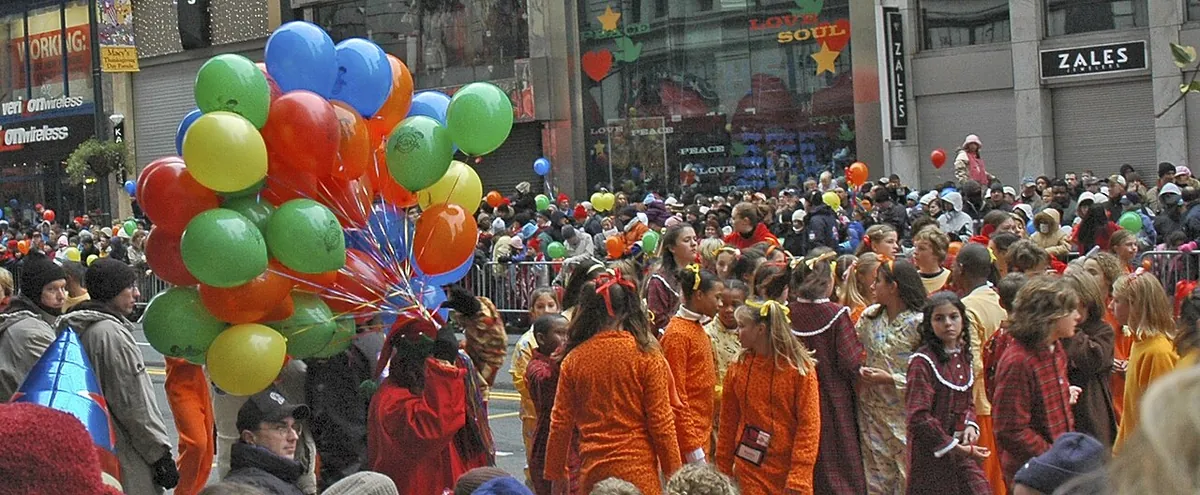
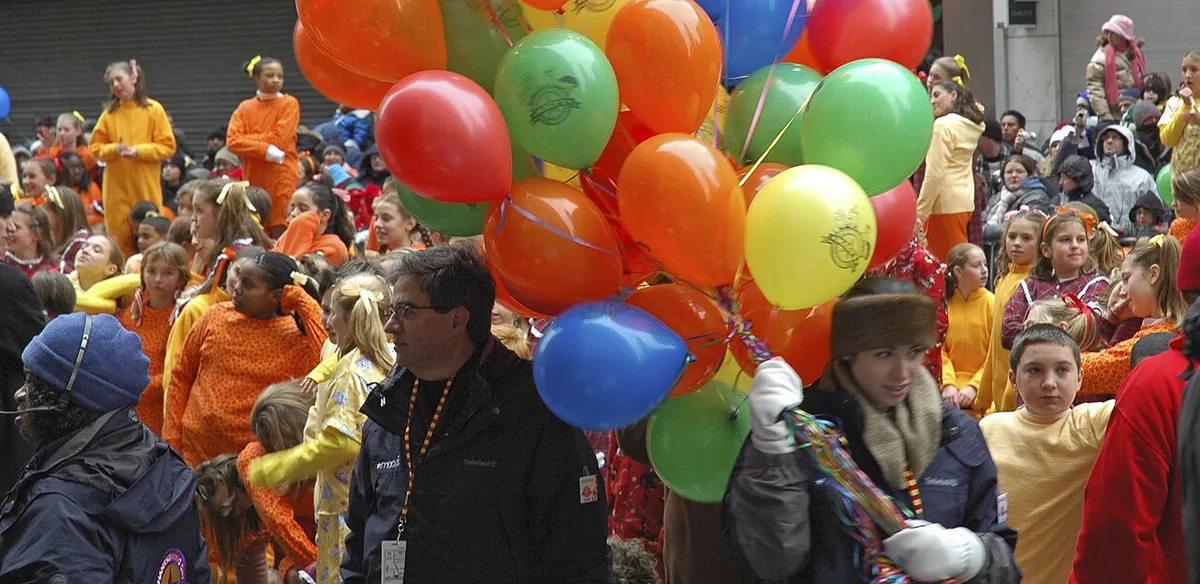
The giant character balloons that define the Macy's Thanksgiving Day Parade are marvels of modern engineering, combining aerospace materials with intricate artistic design. Constructed from specialized lightweight fabrics and reinforced with internal rigging systems, each balloon must withstand varying atmospheric pressures and wind currents while maintaining its iconic cartoon shape. Specialized handlers train for months to master the intricate rope configurations necessary to guide these behemoths through narrow urban canyons lined with historic buildings and overhead obstacles like traffic lights.
Safety regulations governing the flight of these massive balloons have grown significantly stricter over the decades, driven by past incidents where strong wind gusts pushed balloons off course. City guidelines establish precise wind-speed limits—typically restricting balloons from flying if sustained winds exceed specific thresholds or if dangerous gusts threaten handler stability. These rules are enforced rigorously by the New York City Police Department and designated safety inspectors stationed alongside every single balloon unit throughout the duration of the procession.
When severe weather threatens, the decision to ground or modify balloon heights is made collaboratively between meteorologists, city officials, and Macy's executive producers. While spectators always hope to see their favorite animated characters soaring high above the avenue, public safety remains the absolute priority for all participating agencies. If wind conditions dictate that balloons cannot fly at full height, alternative handling techniques or tethering adjustments are implemented to minimize risk. This rigorous adherence to safety protocols ensures that the centennial celebration remains a secure environment for participants and onlookers alike.
Star-Studded Lineups and Milestone Balloon Debuts
Despite the looming meteorological challenges, the 100th anniversary parade promises an unforgettable lineup of fresh attractions, beloved pop-culture icons, and top-tier musical talent. To mark the historic centennial, organizers have curated an expansive roster featuring brand-new giant balloons making their inaugural flight down the iconic Manhattan route. Among the most anticipated additions is the whimsical Blue Hippo, a vibrant new character designed to delight younger generations while adding to the rich visual tapestry of the parade's storied history.
Alongside the fresh balloon debuts, fan-favorite characters such as Bluey will return to charm millions of viewers both in-person and through nationwide television broadcasts. These modern pop-culture staples sit alongside classic marching bands, elaborate floats sponsored by major brands, and precision performance groups that have become staples of the American holiday tradition. The careful blend of nostalgic elements and contemporary favorites ensures that the centennial event bridges generational gaps, appealing equally to grandparents who remember early broadcasts and children experiencing the magic for the first time.
The entertainment roster is further elevated by an impressive array of musical stars, including acclaimed country artist Megan Moroney and numerous other top-charting performers. These artists will deliver live performances on elaborately decorated floats stationed at key viewing areas, entertaining crowds despite any inclement weather overhead. Production teams work tirelessly to waterproof technical equipment and safeguard instruments, ensuring that the broadcast quality remains high even if rain begins to fall. The determination of performers and crew members alike underscores the resilient spirit that keeps the holiday tradition thriving.
For more tips on navigating holiday travel disruptions and seasonal lifestyle trends, explore our latest coverage on BMEStalk.com: Trump Owned Nvidia Stock While Pressing for Jensen Huang's Return.
Navigating NYC Logistics During a Major Holiday Storm
Staging a massive public event of this scale requires intricate coordination between the City of New York, emergency management agencies, and private logistics partners. When a major storm threatens the region, these logistical operations become exponentially more complex as officials must account for flooded roadways, high wind advisories, and transit disruptions. Transportation networks, including subway lines and commuter rail services, must implement contingency measures to handle holiday travelers while accommodating street closures necessary for parade staging and safety perimeters.
Road closures along the traditional Upper West Side staging areas and the central Manhattan parade route typically begin days in advance, creating localized traffic bottlenecks that residents must navigate carefully. Inclement weather adds further friction, as slick roads and reduced visibility slow down bus routes and private vehicular traffic throughout the borough. Municipal agencies urge attendees to rely entirely on public mass transit systems and to allow significant extra travel time when heading into central Manhattan to secure prime viewing spots along the restricted route corridors.
Emergency response teams, including the NYPD, FDNY, and specialized sanitation units, maintain a robust presence throughout the holiday morning to respond swiftly to any weather-related incidents. Temporary medical tents, warming stations, and clear evacuation pathways are established at strategic intervals along the route to assist spectators who may suffer from exposure or minor injuries caused by rain and cold winds. This comprehensive infrastructure ensures that public safety infrastructure remains resilient even when unpredictable coastal storm systems test the city's operational capacity.
Historical Precedents and How Macy's Manages the Elements
Throughout its century-long history, the Macy's Thanksgiving Day Parade has rarely been canceled, though weather has occasionally forced dramatic alterations to how the event is executed. While rumors and urban legends frequently circulate about total cancellations, city records show that the parade has adapted through wars, economic depressions, and severe blizzards without missing its annual appointment. Organizers pride themselves on this historic resilience, viewing the ability to overcome environmental adversity as a core pillar of the parade's enduring cultural legacy.
In instances of extreme weather during past decades, organizers have successfully navigated high winds by flying balloons at lower altitudes or restricting certain fragile units while allowing sturdier elements to proceed. Technological advancements in modern weather forecasting have drastically improved the ability of producers to anticipate atmospheric shifts hours before they strike the city streets. This proactive capability allows for seamless operational adjustments that protect participants without sacrificing the core visual elements that television audiences expect from the national broadcast.
As the city prepares for this landmark centennial celebration under stormy skies, the collective experience of past generations provides a comforting blueprint for success. Macy's production leads work hand-in-hand with municipal authorities, drawing on decades of institutional knowledge to manage every conceivable meteorological scenario. Whether skies clear just in time for the opening march or persistent rain tests the endurance of crowds, the 100th anniversary parade will undoubtedly secure its place in history as a testament to New York City's unyielding holiday spirit.